Bailey, Javins, and Carter LC

Charleston | (800) 497-0234

Morgantown | (304) 599-1112

  • Home
  • Firm Overview
    • Why Hire Us?
  • Attorneys
    • Timothy Bailey
    • Lee Javins
    • D. Blake “J.R.” Carter Jr.
    • J. Ryan Stewart
    • Linda Nelson Garrett
    • Taylor M. Norman
    • Robert Vaughan
    • Jayson Hamrick
    • Adam S. Daugherty
  • Practice Areas
    • Personal Injury
      • Motor Vehicle Accidents
        • Motorcycle Accidents
      • Nursing Home Abuse
      • Wrongful Death
      • Premises Liability
        • Slip & Fall Accidents
      • Pedestrian Accident
      • Back & Neck Injuries
    • Coal Mine Accidents
    • Commercial Truck Accidents
      • Cross Lanes Truck Accident Attorneys
      • Dunbar Truck Accident Attorneys
      • Huntington Truck Accident Attorneys
      • Montgomery Truck Accident Attorneys
      • Nitro Truck Accident Lawyers
    • Workplace Injury
      • Power Lineman Injuries & Death
      • Oil & Gas Well Injuries & Death
        • Pipeline Explosion Accidents
      • Construction Injuries
      • Fracking Injuries
      • Industrial Accident
      • Heavy Equipment Injuries and Death
      • Independent Contractors
    • Catastrophic Injury
      • Brain Injury
      • Back & Neck Injuries
      • Spinal Cord Injury
      • Burn Injury
      • Scarring and Disfigurement
      • Amputation
      • Explosion Injury
      • Helicopter Accidents
    • Product Liability
      • Talc Litigation
      • Auto Defects
        • Tire Defects
        • Takata Air Bag Recall
        • Defective Brakes
    • West Virginia Medical Malpractice Attorney
      • Birth Injury Lawyer
    • Workers’ Compensation
    • Contractor Negligence
  • Legal News
    • A look at safety in West Virginia coal mines
    • Distracted drivers the focus of new legislation in West Virginia
    • Dozens of lawsuits linked to chemical spill move forward
    • Feds announce new safety regulations on rail transportation of oil and gas
    • Four West Virginia mines issued citations by MSHA in September
    • Hunters could face injury, death from defective tree stands
    • Legal options for workers injured in gas and oil well accidents in West Virginia
    • Lowering speeds for large trucks could improve road safety
    • Social Security Disability benefits provides financial aid to WV residents
    • Study: Younger drivers may be better at texting and driving
    • Suing a mine operator for serious on-the-job injuries
    • Surge of black lung disease hitting Appalachian coal miners
    • Transvaginal Mesh Issues Discussed in West Virginia
    • Truckers with sleep apnea at greater risk for drowsy driving accidents
    • What recent tort reform measures in West Virginia mean for you
    • What you need to know about asbestosis and mesothelioma
  • Video FAQ’s
  • Blog
  • Contact
  • Menu Menu
Truck Accidents

Truck Maintenance and Accidents: Who Is Liable?

November 15, 2023/by Bailey Javins & Carter

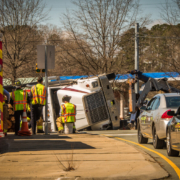
Tractor-trailers undergo an enormous amount of wear and tear every single day, putting on hundreds more miles than the average passenger vehicle. That’s why the FMCSA has rigorous inspection requirements for tractor-trailers. What happens when a truck that has been poorly maintained—or not maintained at all—goes on to cause an accident?

If you’ve been injured because of a negligent trucking company or driver, you need the team at Bailey Javins & Carter behind you. Call us at 800-497-0234 to set up a consultation right away.

Trucking Companies’ Maintenance Responsibilities

Trucking companies are ultimately responsible for the safety and maintenance of their vehicles. At a bare minimum, they are responsible for meeting the guidelines set out by the FMCSA. However, that is the minimum—most responsible trucking companies will have more rigorous standards and protocols in place to ensure that unsafe vehicles are not hitting the road.

Companies should have strict requirements regarding truck inspections and what those inspections cover. An inspection should look for issues in areas that suffer significant wear and tear, such as brakes, tires, and the engine. It’s important that companies keep logs of these inspections so they can track any potential issues.

Even if a truck doesn’t have any obvious issues, it should still receive routine maintenance. This routine maintenance can prevent something more serious from going wrong. Trucks often need routine maintenance on their engine, brakes, and tires. Regular oil changes are also an important part of truck maintenance.

Companies also have an obligation to train their drivers on routine inspections, maintenance work, and how to report apparent safety issues. This creates a fleet of drivers who are empowered to catch safety defects and save lives.

Finally, trucking companies must take swift action to address any repair needs. When an issue is reported by a driver or mechanic, they must take reasonable steps to schedule a prompt repair.

A Driver’s Role in Maintenance

Drivers play an important part in truck safety. They are the ones who spend every day with their truck, so they are most likely to know when something isn’t quite right. Prior to each trip, they should perform an inspection that looks over the key components of the vehicle. They should document this inspection and report any irregularities to their employer.

Another important part of maintenance is ensuring that a truck is properly loaded. Even if the driver plays no role in the loading of their truck, they should be able to call out improper loading that can put too much strain on their vehicle and cause a crash.

In-route inspections are often required on long-haul trips. Inspections conducted throughout a long trip can catch growing issues and allow a driver to address them before they are serious enough to cause a collision.

Just like trucking companies must, truck drivers are expected to adhere to all federal regulations when it comes to vehicle inspection and maintenance. On top of that, they should uphold their employer’s standards and protocols. These standards and protocols can be stricter than federal regulations, but can never be more lax than those regulations.

When Maintenance Isn’t Enough—Vehicle Defects

In most cases, trucking companies are liable when their lack of maintenance leads to an accident. However, there are scenarios in which liability lies with the manufacturer. No matter how routinely a company performs inspections, it may not be enough to catch inherent flaws in a vehicle. Because these flaws are unexpected and are often invisible until they actually cause a crash, trucking companies aren’t always liable. 

When a crash is caused by a faulty component or truck, liability will lie with the manufacturer. Your attorney is required to show that the manufacturer either knew about the defect or could have been expected to know about the defect had they done proper safety testing.

Reach Out to Bailey Javins & Carter to Start Your Truck Accident Claim

No matter what caused your truck accident, you’re likely left with injuries, a damaged car, and no clue of what you should do next. Let us help you. Set up a consultation right away by getting in touch online or calling us at 800-497-0234.

Share this entry
  • Share on Facebook
  • Share on X
  • Share on LinkedIn
  • Share by Mail
https://www.baileyjavinscarter.com/wp-content/uploads/2023/11/shutterstock_2048747018-1.jpg 947 1000 Bailey Javins & Carter http://www.baileyjavinscarter.com/wp-content/uploads/2018/09/logo.png Bailey Javins & Carter2023-11-15 16:11:072023-11-21 16:15:37Truck Maintenance and Accidents: Who Is Liable?
You might also like
Truck Accident Attorneys - Bailey Javins & Carter Accidents with Poorly Loaded Trucks
Concussion Complications - Bailey Javins & Carter Second Impact Syndrome and other Concussion Complications
Winter Driving Accidents Avoiding Winter Auto Accidents in West Virginia
Gas Drilling Safety Safety on Gas Drilling Platforms in West Virginia
Yeager Airport Contractor Negligence to Blame for 2015 Yeager Airport Landslide
Faulty Drilling Equipment and Drilling Accidents Faulty Drilling Equipment and Drilling Accidents
What Is a Contingency Fee and How Does it Affect Your Personal Injury Case What Is a Contingency Fee and How Does it Affect Your Personal Injury Case?
Pre-Existing Conditions: You’re Still Entitled to Fair Compensation After a Personal Injury Pre-Existing Conditions: You’re Still Entitled to Fair Compensation After a Personal Injury

Recent Posts

  • Chemical Disaster in Institute, WV
  • How Do Coal Truck Weight Limits Affect West Virginia Accident Cases?
  • How Do I Prove a Drug Caused My Injuries?
  • What Evidence Is Needed for a Hospital Negligence Case in WV?
  • When Does Deliberate Intent Apply to Workplace Injuries in WV?
bailey javins & carter

Useful Links

  • HOME
  • CONTACT
  • DISCLAIMER
  • PRIVACY POLICY
  • SITEMAP

Contact

Charleston Office

(304) 345-0346

(800) 497-0234

Morgantown Office

(304) 599-1112

Follow Us

© 2026 Bailey, Javins, & Carter L.C. All rights reserved | This is a Too Darn Loud Marketing law firm website.
Link to: The Importance of a Spoliation Letter in Truck Accident Cases Link to: The Importance of a Spoliation Letter in Truck Accident Cases The Importance of a Spoliation Letter in Truck Accident CasesTruck Spoliation Letter Link to: Who Is Liable for a Wheel-Off Trucking Accident? Link to: Who Is Liable for a Wheel-Off Trucking Accident? Truck AccidentsWho Is Liable for a Wheel-Off Trucking Accident?
Scroll to top Scroll to top Scroll to top