
Logging Truck Accidents in Clarksburg: The Unique Dangers of Timber Transport on Rural Roads
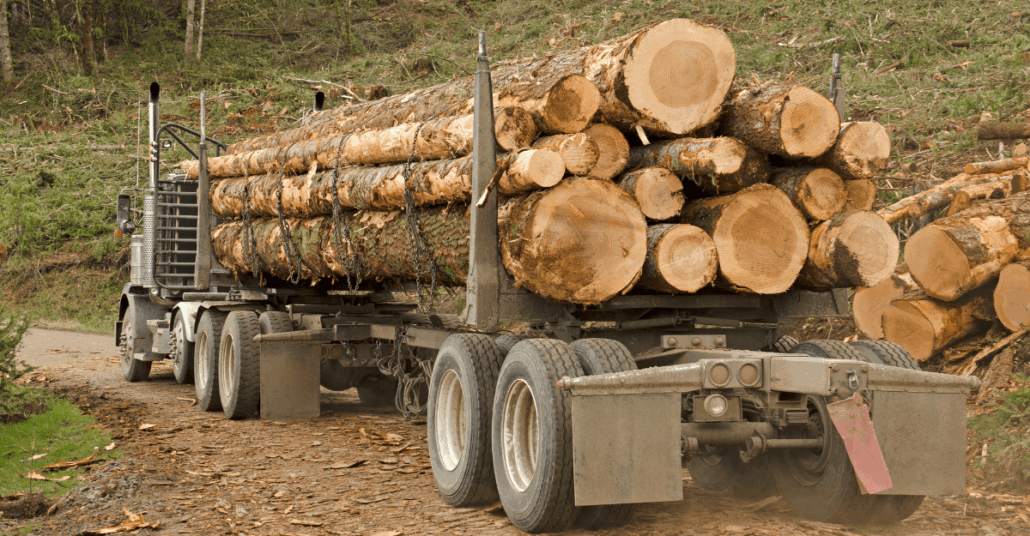
The sight is a familiar one on the roads of Harrison County—a massive truck, piled high with freshly cut timber, navigating the winding curves of Route 50 or descending a steep grade on a rural backroad. These logging trucks are the lifeblood of a vital West Virginia industry, but they also represent one of the most significant dangers to other drivers sharing the pavement. The immense weight, the unwieldy nature of the cargo, and the demanding schedules of their operators create a combination of risk factors unlike any other commercial vehicle.
When an accident involving a timber hauler occurs, the consequences are rarely minor. The sheer physics involved means that passenger cars, motorcycles, and even smaller trucks are at an extreme disadvantage. Victims are often left with devastating injuries, facing a long and uncertain road to recovery.
The Distinct Hazards of Timber Hauling
A logging truck is not just another semi-truck. Its design, its cargo, and the environment in which it operates present a unique set of dangers. Unlike freight sealed in a uniform container, a load of timber is inherently unstable. Each log has the potential to shift, and the center of gravity for the entire vehicle is often perilously high.
These trucks frequently travel on roads that were never designed for such heavy traffic—narrow, two-lane rural routes with sharp turns, steep inclines, and limited visibility. This places immense strain on the vehicle’s components, particularly the brakes and tires, and demands a high level of skill and attention from the driver. When any element in this delicate balance fails, the results can be catastrophic for anyone nearby.
What Makes Logging Trucks So Uniquely Dangerous?
The potential for disaster is built into the very nature of timber transport. Several key factors contribute to the severity and frequency of these accidents. A detailed examination shows that the danger comes from multiple sources, all converging on our local roads.
- Unsecured or Shifting Loads: The single greatest threat is the cargo itself. If logs are not properly secured with high-tension chains and straps, they can easily shift during transit. A sudden stop or a sharp turn can cause the entire load to spill onto the roadway, creating an impassable and deadly obstacle.
- Overweight Vehicles: There is a constant economic pressure to maximize each load. Overloaded trucks are harder to stop, put excessive strain on braking systems, and are more likely to suffer tire blowouts. An overweight truck descending a West Virginia hill is a recipe for tragedy.
- High Center of Gravity: A fully loaded timber truck has a very high center of gravity, making it much more susceptible to rollovers, especially when navigating turns or encountering uneven road surfaces.
- Driver Fatigue: Logging truck drivers often work long, grueling hours, sometimes in remote locations. The pressure to meet deadlines can lead to violations of federal Hours of Service regulations, resulting in drivers who are less alert and have slower reaction times.
- Poor Vehicle Maintenance: The immense weight and rough terrain take a heavy toll on these vehicles. Companies that cut corners on maintenance for brakes, tires, steering, and securement equipment put everyone on the road at risk.
- Debris and Falling Bark: Even when a load is secure, loose bark, branches, and other debris can fly off the truck, striking windshields, startling drivers, and causing them to lose control of their vehicles.
Common Causes of Logging Truck Wrecks in West Virginia
While every accident has a unique set of circumstances, most logging truck collisions can be traced back to some form of negligence. These are not simply unavoidable events; they are often the direct result of poor decisions or a failure to follow established safety protocols.
Driver error is a frequent cause. This can include speeding (especially on downgrades or curves), distracted driving, driving under the influence of alcohol or drugs, or simply being too inexperienced to handle the massive vehicle. Following too closely is another common error that can prevent the driver from stopping in time to avoid a rear-end collision.
However, the fault does not always rest solely with the driver. Improper loading of the timber at the logging site is a significant factor in many incidents. If the logs are not balanced correctly or secured according to federal and state regulations, the truck becomes inherently unstable before its journey even begins. Furthermore, systemic pressure from the trucking company to prioritize speed over safety can create an environment where drivers feel compelled to take unnecessary risks.
Who Can Be Held Liable for a Logging Truck Accident?
Determining who is legally responsible for the harm caused by a timber truck accident is a complex process. Unlike a typical car crash involving two drivers, these cases often involve multiple potentially liable parties. A thorough investigation is necessary to identify every individual or company whose negligence contributed to the collision.
- The Truck Driver: The operator of the truck is the most obvious potential defendant. If they were speeding, distracted, fatigued, or otherwise driving negligently, they can be held directly responsible.
- The Logging or Trucking Company: Under a legal principle known as “respondeat superior,” employers are generally liable for the negligent acts of their employees. A company can also be held directly liable for its own negligence, such as failing to properly train drivers, encouraging the violation of safety rules, or failing to perform adequate maintenance on its fleet.
- The Timber Company or Landowner: In some cases, the company that owned the timber and was responsible for loading it onto the truck may bear some fault. If their employees loaded the truck improperly or created an overweight load, they could be a party to a personal injury claim.
- A Maintenance Provider: If the trucking company outsources its vehicle maintenance, the third-party mechanic or service garage could be liable if their faulty repairs (for example, on the brakes) led to the accident.
- The Manufacturer of a Faulty Part: If a component of the truck, such as a tire, a brake system, or a cargo strap, failed due to a manufacturing defect, the maker of that part could be held liable under product liability law.
Successfully navigating a claim may involve pursuing action against several of these entities simultaneously to ensure all responsible parties are held accountable.
Federal and State Regulations for Logging Trucks
The timber industry is governed by a network of safety regulations from both the Federal Motor Carrier Safety Administration (FMCSA) and the West Virginia Division of Highways. These rules are not suggestions; they are legally mandated standards designed to prevent accidents.
The FMCSA has specific and detailed regulations regarding cargo securement. For logging trucks, this includes requirements for the number and strength of tie-downs, the proper positioning of chocks and cradles, and rules to prevent logs from shifting forward, backward, or laterally. There are also strict Hours of Service rules that limit how long a driver can be on the road without a rest break.
When a trucking company or driver violates these regulations, it is often powerful evidence of negligence. An investigation into an accident should always include a meticulous review of driver logbooks, vehicle inspection reports, and maintenance records to identify any and all violations that may have contributed to the crash.
What Types of Compensation Are Available After a Clarksburg Logging Truck Crash?
A serious injury can have a devastating financial impact on a family. The goal of a personal injury claim is to recover compensation, known as damages, to make the victim whole again, at least from a financial standpoint. While no amount of money can erase the trauma of an accident, a fair settlement or verdict can provide the resources needed to heal and move forward.
Compensation in a West Virginia logging truck accident claim can include:
- Economic Damages: These are the tangible, calculable financial losses resulting from the accident. This category includes all past and future medical bills, lost wages and income, diminished future earning capacity, and costs for rehabilitation or long-term care.
- Non-Economic Damages: This category compensates the victim for the intangible, but very real, human costs of the injury. This includes pain and suffering, emotional distress, loss of enjoyment of life, and compensation for permanent scarring or disfigurement.
- Punitive Damages: In rare cases where the defendant’s conduct was found to be particularly reckless, malicious, or egregious, a court may award punitive damages. These are intended not to compensate the victim, but to punish the wrongdoer and deter similar conduct in the future.
Steps to Take Immediately After an Accident with a Timber Hauler
The moments after a collision are chaotic and overwhelming. However, the actions you take can have a significant impact on your health and your ability to protect your legal rights. If you are involved in an accident with a logging truck, try to take the following steps.
- Prioritize Safety and Medical Care: Your first priority is your health. Move to a safe location if you can and call 911 immediately. Even if you feel fine, it is important to be evaluated by a medical professional, as some serious injuries may not have immediate symptoms.
- Report the Accident: Ensure a police report is filed. When speaking to the officer, state the facts as you know them, but do not guess, speculate, or accept blame for the accident.
- Document the Scene: If you are physically able, use your phone to take pictures and videos of everything. This includes damage to all vehicles, the position of the truck and its logs, any debris on the road, skid marks, and the surrounding area.
- Gather Information: Get the name of the truck driver, the name of the trucking company displayed on the vehicle, license plate numbers, and insurance information. Also, collect the names and contact information of any witnesses.
- Do Not Give a Recorded Statement: You will likely be contacted by an insurance adjuster for the trucking company very quickly. You are not obligated to provide them with a recorded statement. These adjusters are trained to ask questions in a way that can be used to minimize or deny your claim later. It is best to decline until you have spoken with an attorney.
The Complexities of a Logging Truck Accident Investigation
Proving negligence in a commercial trucking case requires a swift and comprehensive investigation. Evidence can be lost or altered quickly. The trucking company and its insurance carrier have teams of investigators and lawyers who begin protecting their interests immediately.
A proper investigation goes far beyond the initial police report. It often involves:
- Sending a spoliation letter to the trucking company to legally demand the preservation of key evidence like the truck’s electronic data recorder (“black box”), driver logbooks, and maintenance records.
- Hiring accident reconstruction professionals to analyze the physical evidence from the scene and determine the sequence of events that led to the crash.
- Consulting with industry professionals to evaluate whether the logs were loaded and secured according to industry standards and federal regulations.
- Interviewing witnesses and first responders to gather a complete picture of what happened.
This level of detailed inquiry is fundamental to building a strong case and ensuring that the full story of how the accident happened is brought to light.
Contact Our Dedicated Clarksburg Legal Team
The aftermath of a logging truck accident is a difficult and frightening time. You should not have to face the legal battle against a large trucking company and its insurers alone. The legal team at Bailey, Javins & Carter, L.C. is committed to helping injured West Virginians navigate the path to justice. We have the resources, the knowledge, and the resolve to thoroughly investigate your accident, identify all responsible parties, and fight for the full compensation you and your family deserve.
If you were injured or a loved one was lost in a collision with a logging truck in the Clarksburg area, we invite you to learn about your legal options. Call our firm at 678-981-5370 or contact us through our online form to schedule a confidential meeting. Let us manage the legal complexities so you can concentrate on what matters most—your recovery.