Coal Truck Accidents in Clarksburg: The Unique Dangers of Heavy Loads on Harrison County Roads
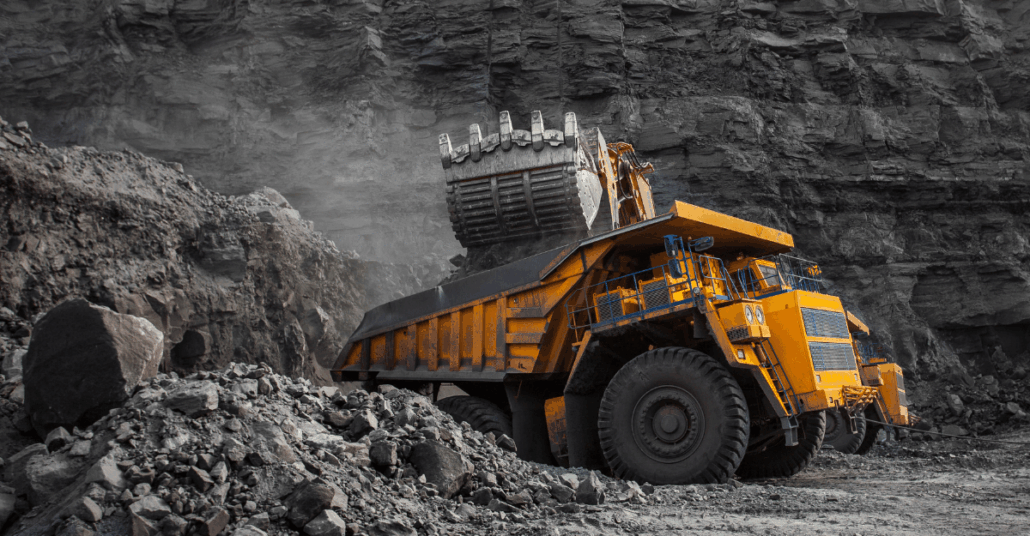
The sight is a familiar one on the roads of Harrison County—a fully loaded coal truck making its way along Route 50 or navigating the interchanges of I-79. These powerful vehicles are the lifeblood of our local economy, a constant reminder of the industry that built and sustains so many communities around Clarksburg. But sharing the road with these massive haulers carries an immense risk. The sheer physics involved means that when something goes wrong, the consequences are rarely minor.
Why Are Coal Truck Accidents Fundamentally Different?
A collision involving a commercial coal truck is a fundamentally different event than a wreck between two passenger cars. The primary factor is a massive disparity in size and weight. A standard car weighs around 4,000 pounds. A coal truck, loaded to its legal limit, can weigh up to 80,000 pounds or more. This incredible mass creates unique dangers on the road.
- Extended Stopping Distances: A heavy hauler traveling at 55 miles per hour needs the length of nearly two football fields to come to a complete stop. This is far longer than a passenger vehicle. A sudden stop in traffic or an unexpected hazard can easily lead to a catastrophic rear-end collision.
- High Center of Gravity: Coal trucks are tall and top-heavy, especially when fully loaded. This makes them susceptible to rollovers, particularly on sharp curves, steep grades, or during sudden evasive maneuvers on Harrison County’s winding roads.
- Powerful Blind Spots: Commercial trucks have significant blind spots—known as “no-zones”—on all four sides. A car traveling in these areas is effectively invisible to the truck driver, creating a high risk of being sideswiped or forced off the road during a lane change.
- The Nature of the Cargo: A spilled load of coal can create a widespread, slick, and dangerous hazard for every other vehicle on the road, potentially causing multi-car pileups long after the initial impact.
Common Causes of Coal Hauler Wrecks in Harrison County
While every accident has a unique set of circumstances, many coal truck collisions stem from recurring patterns of negligence. The intense pressure to meet deadlines and maximize profits can lead drivers and their companies to cut corners on safety. A thorough investigation often reveals that the crash was not an “accident” at all, but the predictable result of a safety failure.
Common contributing factors include:
- Driver Fatigue: Federal Hours-of-Service regulations exist to keep tired drivers off the road. However, economic pressures can lead drivers to push past their legal limits or falsify their logbooks. A fatigued driver has slower reaction times and impaired judgment, similar to an intoxicated driver.
- Inadequate Maintenance: The brakes, tires, and steering systems on a coal truck are under immense strain. A failure to perform regular, systematic maintenance can lead to catastrophic mechanical failures. Worn tires can blow out, and poorly adjusted brakes can fail on a steep downgrade.
- Overweight Trucks: The temptation to haul more coal per trip is a dangerous one. An overweight truck puts excessive stress on all its components, especially the brakes, and significantly increases stopping distances. It also makes the vehicle harder to control and more prone to rollovers.
- Improper Cargo Loading: If a load of coal is not evenly distributed, it can unbalance the trailer and make it unstable. A sudden shift in the cargo’s weight can cause a driver to lose control.
- Driver Error and Inexperience: Speeding, tailgating, distracted driving, and a simple lack of experience in handling such a large vehicle are common causes of collisions. Trucking companies have a responsibility to hire, train, and properly supervise their drivers.
- Drug and Alcohol Use: Despite strict federal regulations and mandatory testing, impaired driving remains a serious problem in the trucking industry.
Federal and State Regulations Governing Coal Trucks
A key element in any coal truck accident claim is the intricate set of regulations that govern the industry. A violation of these rules is often clear evidence of negligence. The two main sources of authority are the Federal Motor Carrier Safety Administration (FMCSA) and specific West Virginia state laws.
The FMCSA establishes the baseline for safety across the entire interstate trucking industry. These regulations cover nearly every aspect of a trucking operation, including:
- Hours-of-Service (HOS): Strict limits on driving time and mandatory rest periods to combat driver fatigue. Most trucks are now equipped with Electronic Logging Devices (ELDs) that record this data automatically.
- Driver Qualifications: Mandates that companies vet their drivers, check their driving records, and ensure they are medically certified to operate a commercial vehicle.
- Vehicle Maintenance: Requirements for motor carriers to have systematic inspection, repair, and maintenance programs for every vehicle in their fleet.
- Drug and Alcohol Testing: A zero-tolerance policy that includes pre-employment, random, post-accident, and reasonable suspicion testing.
In addition to federal rules, West Virginia has its own statutes that can apply, particularly concerning vehicle weight limits and equipment standards for trucks operating within the state.
Uncovering Negligence: Who Can Be Held Responsible?
One of the most complex aspects of a coal truck accident case is identifying all the parties whose negligence contributed to the crash. Liability is rarely limited to the driver alone. The chain of responsibility can extend to multiple corporate entities.
Potentially liable parties may include:
- The Truck Driver: For their direct actions behind the wheel, such as speeding, driving while fatigued, or operating the vehicle in a reckless manner.
- The Motor Carrier (Trucking Company): The company can be held liable for its own negligence in hiring an unsafe driver, failing to provide proper training, encouraging drivers to violate HOS rules, or failing to maintain its fleet. They are also typically responsible for the actions of their employee drivers.
- The Cargo Loader or Shipper: If the accident was caused by an overweight or improperly balanced load, the company that loaded the coal onto the truck may bear some or all of the responsibility.
- A Maintenance Facility: If a third-party mechanic performed negligent repair work that led to a mechanical failure, that company could be held liable.
- The Truck or Parts Manufacturer: In some cases, a defective component on the truck itself, such as a faulty braking system or a defective tire, may be the root cause of the crash.
What Steps Should You Take Immediately After a Coal Truck Collision?
The moments after a collision with a heavy hauler are chaotic and terrifying. What you do next can have a significant impact on your health and your ability to pursue a future claim.
- Prioritize Safety: If you are able, move your vehicle to a safe location off the main roadway. Turn on your hazard lights. Check on your passengers and yourself for injuries.
- Call 911 Immediately: Report the accident and request police and emergency medical services. Even if you feel fine, it is important to be evaluated by a medical professional. Adrenaline can mask serious injuries.
- Do Not Confront the Driver: Remain calm and avoid any arguments or admissions of fault with the truck driver.
- Gather Information: If you are physically able, use your phone to take pictures of the accident scene from multiple angles. Capture photos of all vehicles involved, their license plates, the road conditions, and any visible company names or DOT numbers on the truck.
- Identify Witnesses: If there are other people who saw the accident, ask for their names and contact information. Their independent testimony can be invaluable.
- Seek Medical Attention: Go to the emergency room or see your doctor as soon as possible. This creates a medical record that documents your injuries and connects them to the accident.
- Contact a Knowledgeable Attorney: Do not speak to the trucking company’s insurance adjuster or sign any documents before consulting with a legal representative. Their goal is to minimize their company’s financial liability, not to protect your best interests.
The Critical Role of Evidence in a Coal Truck Accident Claim
Proving a case against a large trucking company requires more than just the police report. It requires a swift and aggressive investigation to preserve critical evidence before it can be lost or destroyed. Trucking companies and their insurers have rapid-response teams that start building their defense at the scene of the crash.
An experienced legal team will immediately move to secure and analyze key evidence, such as:
- The truck’s Electronic Control Module (ECM) or “black box,” which records data on speed, braking, and engine RPMs.
- The driver’s Electronic Logging Device (ELD) data to verify compliance with Hours-of-Service rules.
- The driver’s qualification file, including their driving history and medical records.
- Post-accident drug and alcohol test results.
- The truck’s inspection, maintenance, and repair records.
- Dispatch records and bills of lading, which can show the weight of the cargo and the pressures placed on the driver.
An attorney will often send a spoliation letter, a formal notice demanding that the trucking company preserve all of this potential evidence.
What Compensation Can Be Pursued in a Claim?
The goal of a personal injury claim is to provide the financial resources necessary to make the victim whole again, to the fullest extent possible. A successful claim can secure compensation for the full range of losses suffered by the victim and their family.
Damages in a West Virginia truck accident case can include:
Economic Damages: These are tangible financial losses with a clear monetary value.
- All past, current, and future medical bills
- Lost wages and income from time missed at work
- Loss of future earning capacity if the injuries are disabling
- Costs for rehabilitation, physical therapy, and medical equipment
Non-Economic Damages: These compensate the victim for the intangible, personal harms they have suffered.
- Physical pain and suffering
- Emotional distress and mental anguish
- Permanent scarring and disfigurement
- Loss of enjoyment of life
- Loss of consortium (the impact on a marital relationship)
In tragic cases where a collision proves fatal, the surviving family members may be able to file a wrongful death claim to seek compensation for their losses, including lost financial support, funeral expenses, and the loss of companionship and guidance.
Bailey, Javins, & Carter, L.C.: Advocating for Families in Clarksburg
The aftermath of a serious coal truck accident is an overwhelming time. The legal team at Bailey, Javins, & Carter, L.C. is prepared to stand with you. We have a long history of handling complex commercial vehicle accident cases and the resources to conduct a meticulous investigation into every detail of your crash. We work with accident reconstructionists, trucking industry safety consultants, and medical professionals to build a powerful case designed to hold negligent parties accountable and secure the full compensation you need to rebuild your life.
If you or a loved one has been harmed in a commercial truck accident in Clarksburg or anywhere in Harrison County, please contact us for a no-obligation, confidential consultation to discuss your legal options. Call our firm today at 678-981-5370 or fill out our online form. Let us handle the legal complexities so you can focus on your recovery.