
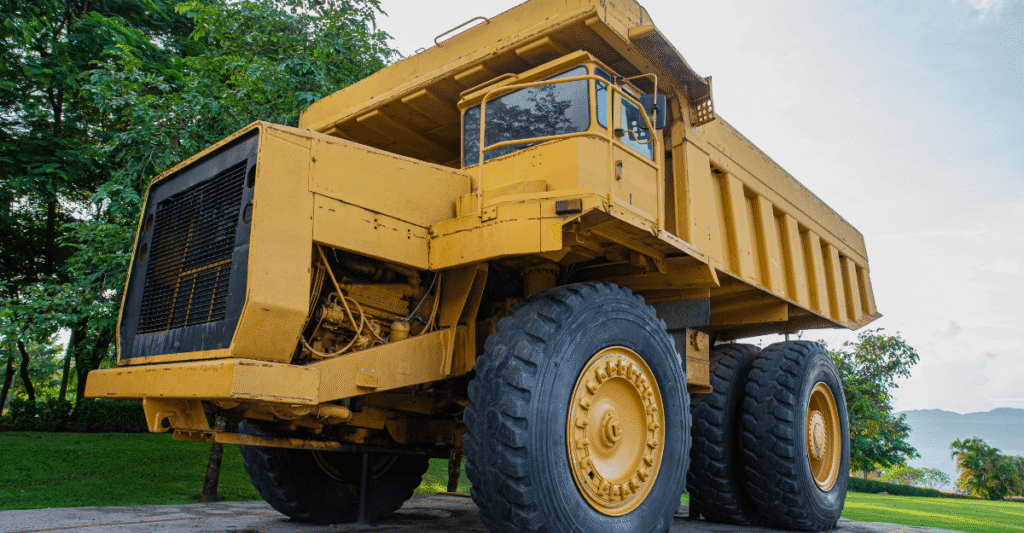
The heavy rumble of a fully loaded coal truck is a familiar sound throughout the Mountain State. Whether navigating the steep Appalachian grades of Route 119, the winding stretches of the King Coal Highway (US-52), or the high-speed lanes of the I-79 corridor near Morgantown, commercial coal transport is a vital component of the local economy. However, the sheer size and weight of these commercial vehicles introduce severe hazards to passenger cars sharing the road. When a tractor-trailer or single-unit coal truck exceeds legal weight limits, the vehicle’s operating dynamics change drastically, transforming an already massive machine into a rolling hazard capable of causing catastrophic injuries or wrongful death.
The Basics of Coal Truck Weight Limits in West Virginia
West Virginia has a unique and complex regulatory framework regarding the weight of commercial motor vehicles, heavily influenced by the economic importance of the coal industry. Under general state and federal guidelines, the standard gross vehicle weight (GVW) limit for a tractor-trailer combination on the Interstate highway system is 80,000 pounds. However, West Virginia law recognizes that the topography and industrial demands of the state require specialized regulations.
For non-Interstate secondary roads, the state often permits a 10% weight tolerance, recognizing the difficulty of exact loading at rural mine sites. More significantly, West Virginia established the Coal Resource Transportation System (CRTS). This specialized program designates specific public highways predominantly in southern coalfield counties, such as Boone, Logan, McDowell, Fayette, and Raleigh, as safe for enhanced weight limits.
With the proper annual permit from the Public Service Commission (PSC), a six-axle tractor-semitrailer operating on a CRTS route can legally weigh up to 120,000 pounds, with an additional 5% tolerance allowing a staggering total of 126,000 pounds. To put this into perspective, an average passenger sedan weighs around 4,000 pounds. A fully loaded, legally permitted CRTS coal truck can weigh more than 30 times that amount. When trucking companies illegally push past even these generous enhanced limits, the risk to the public increases exponentially.
How Does Excess Weight Cause Coal Truck Accidents in West Virginia?
Excess weight in West Virginia coal trucks drastically increases stopping distances and raises the vehicle’s center of gravity. When overloaded trucks navigate steep Appalachian grades or sharp curves, their brakes can easily fail, leading to catastrophic rear-end collisions, jackknifing, or deadly rollover accidents.
The physics of a commercial vehicle collision are unforgiving, and the kinetic energy generated by a moving object is directly proportional to its mass. When a coal company loads a truck beyond its legal or mechanical capacity, it places immense stress on the vehicle’s critical safety systems. Commercial truck braking systems are engineered to stop a specific maximum gross vehicle weight rating (GVWR). When a truck is thousands of pounds overweight, the brakes must work significantly harder, generating excessive heat. On the long, steep downgrades common in the West Virginia mountains, this heat can lead to “brake fade,” a terrifying mechanical failure where the brakes completely lose their stopping power.
Furthermore, coal is a bulk material that shifts during transport. An overloaded trailer raises the vehicle’s center of gravity, making the truck highly susceptible to rollover accidents, especially on the tight, winding secondary roads of Monongalia or Mercer counties.
The most common dangers associated with overloaded coal trucks include:
- Increased Braking Distance: Overweight trucks require significantly more time and space to come to a complete stop, increasing the likelihood of rear-end collisions at intersections or in sudden highway traffic.
- Brake Failure from Overheating: Excessive weight overwhelms the air brake systems on steep downgrades, leading to total mechanical failure.
- Higher Center of Gravity: Piling coal high in the trailer makes the vehicle top-heavy, dramatically increasing the risk of rollovers on sharp curves.
- Tire Blowouts: Overloading places undue pressure on commercial tires, leading to high-speed blowouts that cause the driver to lose control of the rig.
- Structural Failure: Excessive stress on the truck’s suspension and coupling devices can cause the trailer to detach or the axle to fail while in motion.
The Coal Resource Transportation System (CRTS) and Public Safety
While the CRTS was designed to support the state’s industrial base, it requires strict adherence to safety protocols to protect the motoring public. Companies operating under CRTS permits must submit their vehicles to regular weigh-ins and adhere to specific axle configurations to distribute the massive 120,000-pound loads evenly. Furthermore, these companies pay a per-ton fee that is directed into a special road fund to repair the extensive damage these ultra-heavy vehicles cause to the state’s infrastructure.
Unfortunately, the economic incentive to move as much coal as possible in a single trip frequently tempts unscrupulous operators to bypass these regulations. Some trucking companies fail to properly calibrate their loading equipment, while others knowingly dispatch trucks that far exceed even the enhanced CRTS limits. When a coal truck is operating outside of its permitted weight or off its designated CRTS route, it is operating illegally. Establishing this regulatory violation is a powerful piece of evidence when demonstrating negligence in a personal injury claim.
Who Is Liable When an Overweight Coal Truck Causes a Crash in West Virginia?
Liability in an overweight coal truck crash often extends beyond the driver to include the trucking company, the coal mine operator, and the loading facility. Under West Virginia law, any party that negligently loaded the truck beyond legal weight limits can be held financially accountable for resulting injuries.
Personal injury cases involving commercial coal trucks are rarely straightforward. Unlike a standard car accident involving two private drivers, a commercial vehicle wreck involves deep layers of corporate responsibility. The legal doctrine of “vicarious liability” states that employers are responsible for the actions of their employees when those actions occur during the scope of their employment. If a truck driver causes an accident while rushing to make a delivery, the carrier company is typically liable.
However, in cases involving weight limit violations, liability often extends to the entity responsible for loading the vehicle. West Virginia law requires coal companies to weigh vehicles after loading and maintain strict records. If a coal preparation plant or mine operator intentionally loads a truck past its legal limit—or fails to verify the weight before allowing the truck onto the public highway—they share the fault for any subsequent collision.
Liable parties in a coal truck accident may include:
- The Truck Driver: For operating a vehicle they knew or should have known was overweight, or for failing to adjust their driving speed to accommodate the heavy load.
- The Trucking Company (Carrier): For pressuring drivers to carry illegal loads, failing to train drivers on handling overloaded vehicles, or neglecting fleet maintenance.
- The Coal Mine or Loading Facility: For negligently placing more cargo into the trailer than the vehicle is legally or mechanically rated to carry.
- Third-Party Maintenance Providers: If the accident resulted from a failure of brakes or tires that were improperly serviced and unable to handle the load.
Investigating Weight Violations After a West Virginia Crash
Proving that a coal truck was overweight at the time of an accident requires immediate and aggressive legal action. The evidence needed to establish a weight violation is primarily in the hands of the trucking and coal companies, and it can disappear quickly if not properly preserved.
When investigating a commercial truck crash in West Virginia, knowledgeable legal counsel will immediately issue a “spoliation letter” or preservation demand to the at-fault parties. This legal notice prevents the company from destroying vital records. Key pieces of evidence include the bill of lading (which lists the cargo weight), scale tickets from the loading facility, and records from the Public Service Commission (PSC) weigh stations.
Additionally, modern commercial trucks are equipped with Event Data Recorders (EDRs), commonly known as “black boxes”. These devices record critical information in the seconds leading up to a crash, including the truck’s speed, engine RPM, and whether the brakes were applied. By combining black box data with post-crash accident reconstruction, professionals can scientifically determine if the vehicle’s stopping distance was elongated due to excessive cargo weight.
What Should I Do After a Coal Truck Accident in West Virginia?
After a coal truck accident in West Virginia, immediately seek medical attention, even if you feel fine. Call 911 to ensure local law enforcement documents the scene, takes photos of the vehicles and any spilled coal, and contacts a qualified personal injury attorney before speaking with insurance adjusters.
The moments following a collision with a commercial vehicle are chaotic and traumatic. However, taking the right steps is vital for protecting your physical health and your future legal claim. First and foremost, you must prioritize your medical care. Adrenaline can mask the symptoms of severe injuries, such as internal bleeding or traumatic brain injuries (TBI). Whether you are transported to CAMC General Hospital in Charleston, J.W. Ruby Memorial Hospital in Morgantown, or Cabell Huntington Hospital, obtaining a comprehensive medical evaluation establishes a documented link between the crash and your injuries.
You must also ensure that the accident is thoroughly documented by local authorities. Depending on where the crash occurred, this may involve the West Virginia State Police, the Kanawha County Sheriff’s Office, or the Monongalia County Sheriff’s Department. The resulting police report will contain vital details, including weather conditions, witness statements, and any immediate citations issued to the truck driver for weight violations or reckless driving.
Critical steps to take at the scene include:
- Move to Safety: If your vehicle is operable and it is safe to do so, move out of the flow of high-speed traffic.
- Call 911: Request both emergency medical personnel and law enforcement to the scene.
- Document the Scene: Use your smartphone to take clear pictures of the vehicle damage, skid marks, the truck’s license plate, any DOT numbers on the cab, and spilled cargo.
- Gather Information: Collect contact details from any eyewitnesses who saw the crash or the truck’s erratic behavior prior to the collision.
- Limit Communication: Provide factual information to the police, but do not apologize or admit fault to the other driver or their insurance representatives.
Protecting Your Rights Against Negligent Trucking Corporations
The physical, emotional, and financial toll of a commercial coal truck accident is overwhelming. At Bailey, Javins & Carter, L.C., we are deeply familiar with the industries that operate in our state and the devastating consequences when they fail to follow the rules. We are dedicated to protecting the rights of our neighbors and ensuring that the heavy weight of the law holds negligent corporations accountable. We invite you to contact us for a free, confidential consultation to discuss your specific situation and explore your legal options.