
Bailey, Javins, and Carter LC

Charleston | (800) 497-0234

Morgantown | (304) 599-1112

  • Home
  • Firm Overview
    • Why Hire Us?
  • Attorneys
    • Timothy Bailey
    • Lee Javins
    • D. Blake “J.R.” Carter Jr.
    • J. Ryan Stewart
    • Linda Nelson Garrett
    • Taylor M. Norman
    • Robert Vaughan
    • Jayson Hamrick
    • Adam S. Daugherty
  • Practice Areas
    • Personal Injury
      • Motor Vehicle Accidents
        • Motorcycle Accidents
      • Nursing Home Abuse
      • Wrongful Death
      • Premises Liability
        • Slip & Fall Accidents
      • Pedestrian Accident
      • Back & Neck Injuries
    • Coal Mine Accidents
    • Commercial Truck Accidents
      • Cross Lanes Truck Accident Attorneys
      • Dunbar Truck Accident Attorneys
      • Huntington Truck Accident Attorneys
      • Montgomery Truck Accident Attorneys
      • Nitro Truck Accident Lawyers
    • Workplace Injury
      • Power Lineman Injuries & Death
      • Oil & Gas Well Injuries & Death
        • Pipeline Explosion Accidents
      • Construction Injuries
      • Fracking Injuries
      • Industrial Accident
      • Heavy Equipment Injuries and Death
      • Independent Contractors
    • Catastrophic Injury
      • Brain Injury
      • Back & Neck Injuries
      • Spinal Cord Injury
      • Burn Injury
      • Scarring and Disfigurement
      • Amputation
      • Explosion Injury
      • Helicopter Accidents
    • Product Liability
      • Talc Litigation
      • Auto Defects
        • Tire Defects
        • Takata Air Bag Recall
        • Defective Brakes
    • West Virginia Medical Malpractice Attorney
      • Birth Injury Lawyer
    • Workers’ Compensation
    • Contractor Negligence
  • Legal News
    • A look at safety in West Virginia coal mines
    • Distracted drivers the focus of new legislation in West Virginia
    • Dozens of lawsuits linked to chemical spill move forward
    • Feds announce new safety regulations on rail transportation of oil and gas
    • Four West Virginia mines issued citations by MSHA in September
    • Hunters could face injury, death from defective tree stands
    • Legal options for workers injured in gas and oil well accidents in West Virginia
    • Lowering speeds for large trucks could improve road safety
    • Social Security Disability benefits provides financial aid to WV residents
    • Study: Younger drivers may be better at texting and driving
    • Suing a mine operator for serious on-the-job injuries
    • Surge of black lung disease hitting Appalachian coal miners
    • Transvaginal Mesh Issues Discussed in West Virginia
    • Truckers with sleep apnea at greater risk for drowsy driving accidents
    • What recent tort reform measures in West Virginia mean for you
    • What you need to know about asbestosis and mesothelioma
  • Video FAQ’s
  • Blog
  • Contact
  • Menu Menu
Proving that you were fired for filing for workers’ compensation

Proving that you were fired for filing for workers’ compensation

November 9, 2016/by Bailey, Javins, & Carter L.C.

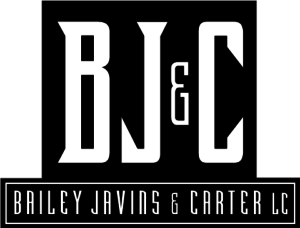
For many people who get hurt at work, filing for workers’ compensation can seem intimidating, if they have reason to believe the boss will fire them for doing so. Firing an employee in retaliation for seeking workers’ comp benefits is illegal in West Virginia, and is considered a form of workplace discrimination.

Still, often it is impossible to prevent this devious practice. Wrongly terminated workers may have to take legal action to get compensation.

A key case from the West Virginia Supreme Court sets out the process of proving wrongful termination under the state’s Workers’ Compensation Act. In the case, Powell v. Wyoming Cablevision, the plaintiff sued his former employer, accusing it of firing him after he hurt his foot on the job and filed for temporary total disability benefits.

In its ruling, the court laid out the framework for establishing a retaliatory firing claim strong enough to give the plaintiff his or her day in court. First, the plaintiff must show he or she sustained a workplace injury. Second, the plaintiff must file for workers’ compensation. Finally, the plaintiff must show that this filing was “a significant factor in the employer’s decision to discharge.”

If the plaintiff has enough evidence of these three factors to make a prima facie claim, the burden of proof shifts to the employer, which now must prove that it did not fire the plaintiff in retaliation for filing for workers’ comp. Instead, the employer must “prove a legitimate, nonpretextual and nonretaliatory reason” for firing the plaintiff.

Determining what your former employer’s management was thinking when they fired you can be difficult, but an experienced attorney knows where to look for evidence.
Share this entry
  • Share on Facebook
  • Share on X
  • Share on LinkedIn
  • Share by Mail
https://www.baileyjavinscarter.com/wp-content/uploads/2016/11/shutterstock_493275868-1.jpg 667 1000 Bailey, Javins, & Carter L.C. http://www.baileyjavinscarter.com/wp-content/uploads/2018/09/logo.png Bailey, Javins, & Carter L.C.2016-11-09 20:42:392024-01-19 08:55:11Proving that you were fired for filing for workers’ compensation

Recent Posts

  • What Is Considered Medical Malpractice in West Virginia?
  • What Damages Are Available in Third-Party Workplace Injury Cases?
  • How Do I Prove Industrial Equipment Was Defectively Designed?
  • Can I Sue the Trucking Company and Driver Separately?
  • Chemical Disaster in Institute, WV
bailey javins & carter

Useful Links

  • HOME
  • CONTACT
  • DISCLAIMER
  • PRIVACY POLICY
  • SITEMAP

Contact

Charleston Office

(304) 345-0346

(800) 497-0234

Morgantown Office

(304) 599-1112

Follow Us

© 2026 Bailey, Javins, & Carter L.C. All rights reserved | This is a Too Darn Loud Marketing law firm website.
Link to: Natural Resources official says West Virginia tree stand accidents on the rise Link to: Natural Resources official says West Virginia tree stand accidents on the rise Natural Resources official says West Virginia tree stand accidents on the r...tree stand accidents Link to: SSD beneficiaries using programs to gain employment Link to: SSD beneficiaries using programs to gain employment However, for individuals currently receiving SSD benefits, it should be understood that there are available programs that could help recipients return to work.SSD beneficiaries using programs to gain employment
Scroll to top Scroll to top Scroll to top