
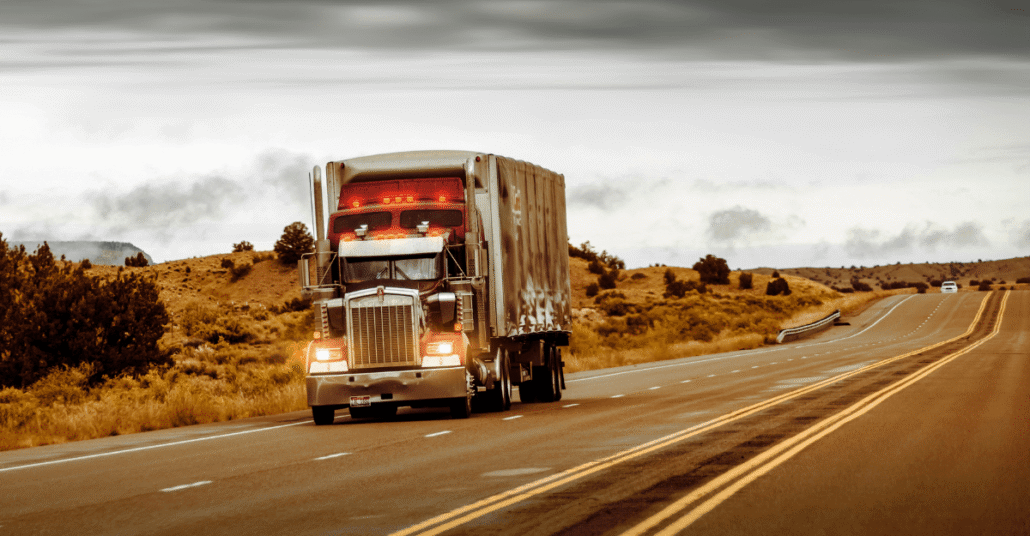
Can I Sue the Trucking Company and Driver Separately?
The moments following a commercial vehicle collision are devastating and disorienting. When a massive eighty-thousand-pound freight hauler collides with a passenger vehicle along I-64 or the busy stretches of I-77, the physical injuries and financial burdens that follow can overwhelm a family. Victims are left facing catastrophic medical bills, lengthy rehabilitation, and a sudden loss of income that threatens their entire financial foundation.
During this chaotic time, injured victims often assume their only option is to file a claim directly against the individual who was sitting behind the wheel. The path to securing fair compensation is rarely that simple. The commercial freight industry operates under highly complex corporate structures designed to shield corporate assets. Understanding exactly who holds the legal responsibility for your damages requires untangling a web of employment contracts, federal regulations, and state laws.
How Does Liability Work After a Commercial Truck Crash?
After a commercial truck crash in West Virginia, you can generally pursue legal action against both the truck driver who caused the collision and the trucking company that employs them. Liability is often shared because corporate entities are legally responsible for the actions of their on-duty workforce.
When a passenger vehicle is struck by a commercial transport on MacCorkle Avenue or a local highway, multiple insurance policies and corporate entities immediately become involved. Motor carriers carry massive commercial insurance policies to protect their bottom line. The insurer’s immediate goal is to minimize its financial exposure by shifting blame away from its clients.
Holding both the individual operator and the corporate entity accountable ensures that all available insurance coverage is accessed. This dual approach is necessary because a single driver’s personal commercial policy rarely covers the immense lifetime costs associated with traumatic brain injuries, spinal cord damage, or wrongful death claims resulting from a severe highway collision.
To successfully bring a claim against the corporate entity, your legal team must establish a clear legal relationship between the person driving the cab and the business dispatching the load. Depending on the specifics of the collision, multiple parties may share liability, including:
- The individual driver operating the cab.
- The motor carrier or logistics company that dispatched the load.
- The third-party maintenance vendor is responsible for brake inspections.
- The cargo facility that improperly loaded or secured the freight.
- The manufacturer of defective vehicle components, such as blown tires.
What Is the Doctrine of Respondeat Superior?
Respondeat superior is a legal doctrine holding employers vicariously liable for the negligent actions of their employees. In a West Virginia truck collision, this means that if a driver causes a wreck while operating within the scope of their employment, the motor carrier shares the legal responsibility for resulting damages.
The West Virginia Supreme Court of Appeals has long recognized this standard, establishing that an employer must answer for the harm caused by their workers. When an individual is hired to transport freight, their actions on the road are conducted for the direct financial benefit of the motor carrier.
For this doctrine to apply, the operator must be acting within the scope of employment when the crash occurs. This generally includes:
- Driving a designated route approved by the dispatch office.
- Stopping for mandated federal rest breaks or fueling at approved stations.
- Operating the vehicle while actively transporting a commercial load.
- Traveling back to the local terminal after completing a designated delivery.
If the operator takes the commercial vehicle entirely off-route for a personal errand unauthorized by the company, the carrier may attempt to argue that the actions fell outside the scope of employment. Our attorneys meticulously trace the timeline of the transport to block these defense tactics.
Does the Independent Contractor Defense Protect Trucking Companies?
Trucking companies cannot use the independent contractor defense to escape liability in interstate crashes. Under the Federal Motor Carrier Safety Regulations, owner-operators are classified as statutory employees, making the motor carrier vicariously liable for their negligence regardless of the internal employment contract.
To shield their corporate assets, freight companies frequently utilize complex hiring models. They may classify the individuals driving their loads as independent contractors rather than direct W-2 employees. By doing this, the corporation attempts to argue that they merely hired an independent vendor and cannot control their day-to-day driving decisions on I-77 or other major interstates in South Charleston.
Federal law prevents this dangerous loophole. The Federal Motor Carrier Safety Administration implemented strict rules under 49 C.F.R. Section 390.5 (view federal statute) to ensure motor carriers remain fully accountable to the public.
These regulations create an irrebuttable presumption that an individual operating a commercial motor vehicle under a carrier’s operating authority is a statutory employee. The specific wording of their private employment contract does not override federal safety standards designed to protect passenger vehicles.
Can I Sue the Motor Carrier for Direct Corporate Negligence?
Yes, you can sue a motor carrier for direct negligence independently of the driver’s actions. Common grounds for direct corporate liability include negligent hiring practices, failing to conduct proper background checks, forcing drivers to violate hours-of-service regulations, and failing to maintain commercial vehicles to federal safety standards.
While vicarious liability holds the company responsible for the driver’s mistakes on the road, direct negligence targets the company’s internal administrative failures. When corporate offices in the East End or out of state prioritize delivery speed and profit margins over public safety, systemic failures occur.
They regularly investigate freight operations for evidence of internal safety breakdowns. Establishing direct corporate negligence requires digging deeply into the company’s administrative records. Common examples of direct motor carrier negligence include:
- Hiring individuals with a known history of severe traffic violations or suspended commercial licenses.
- Retaining workers who have repeatedly failed mandatory drug and alcohol screenings.
- Failing to properly train new hires on handling specialized cargo or hazardous materials.
- Ignoring mandatory federal maintenance schedules for brakes, tires, and steering columns.
- Forcing operators to drive through dangerous weather conditions despite known safety risks.
When the legal team uncovers these systemic failures, they hold the corporate entity directly responsible for creating the dangerous environment that ultimately caused your physical harm.
How Do Federal Hours of Service Violations Impact My Claim?
Federal hours of service violations serve as powerful evidence of negligence in a commercial crash. If a motor carrier pressured a driver to skip mandatory rest breaks or falsify logbooks to meet delivery deadlines, this systemic failure demonstrates direct corporate liability and significantly strengthens a victim’s claim.
Fatigue is one of the leading causes of devastating highway collisions. Operating an eighty-thousand-pound vehicle requires constant vigilance, rapid reaction times, and precise decision-making. When an individual operates a rig while exhausted, their cognitive impairment mirrors the effects of severe alcohol intoxication.
The federal government strictly regulates how long commercial operators can remain behind the wheel without resting. However, aggressive dispatchers often pressure their workforce to ignore these mandates to deliver freight faster. Uncovering these violations is a central focus of the collision investigations. Common hours-of-service violations include:
- Driving beyond the fourteen-hour consecutive on-duty limit.
- Failing to take the required thirty-minute rest break after eight cumulative hours of driving.
- Operating the vehicle past the strict eleven-hour daily driving maximum.
- Falsifying electronic logging devices to hide illegal driving time.
- Using secondary, hidden paper logbooks to deceive safety inspectors.
What Evidence Links the Company to the Driver’s Actions?
Linking a trucking company to a driver’s negligence requires extensive documentation, including electronic logging device data, black box downloads, dispatch communications, and fleet maintenance records. Attorneys secure these materials by issuing a formal spoliation letter immediately following a crash, legally compelling the carrier to preserve the evidence.
Commercial freight operations generate massive amounts of data every single day. This data is the key to proving exactly what caused the collision and verifying the relationship between the operator and the corporate dispatch office.
Unfortunately, this vital evidence can easily disappear, be overwritten, or be intentionally destroyed if immediate legal action is not taken. A spoliation letter puts the corporation on formal notice that they are legally barred from deleting or altering any records related to the crash. To build a comprehensive claim, we demand access to:
- Electronic Logging Devices that track exact driving times and mandated rest periods.
- Event Data Recorders that reveal the vehicle’s speed, braking patterns, and steering angles.
- Internal emails and text messages between the dispatcher and the cab.
- Comprehensive employment files, including background checks and medical clearance forms.
- Weigh station receipts and toll booth records confirming the transport route.
How Does West Virginia’s Comparative Fault Law Affect Shared Liability?
West Virginia follows a modified comparative fault system, meaning your compensation is reduced by your own assigned percentage of fault. If the court determines you were ten percent responsible for the collision while the driver and carrier were ninety percent responsible, you can still recover ninety percent of your total damages.
Corporate defense teams are aggressive. When facing a massive financial payout, the motor carrier’s insurance adjusters will meticulously analyze the crash scene, hoping to shift the blame onto you. They may claim you were speeding, following too closely, or braking erratically just prior to the collision.
Under West Virginia law, you are permitted to recover financial compensation as long as your share of the blame is less than fifty percent. However, every percentage point of fault the defense successfully assigns to you directly reduces your final settlement.
Having a knowledgeable legal advocate on your side is vital to protecting your rights. They work alongside accident reconstruction specialists to accurately map the collision scene, demonstrating the full extent of the commercial operator’s negligence and shutting down unfair defense tactics.
What Is the Deadline to File a Truck Crash Lawsuit in Kanawha County?
The statute of limitations for filing a personal injury lawsuit related to a truck collision in West Virginia is two years from the date of the crash. Missing this strict legal deadline permanently bars you from seeking financial compensation from either the driver or the motor carrier.
Time limits in civil litigation are absolute. Whether you are filing your case in the Kanawha County Circuit Court or a courthouse in Teays Valley, you must initiate formal legal action under W. Va. Code Section 55-2-12 (view state statute) before the two-year window expires. Waiting to secure representation can severely damage your claim. When investigations are delayed, critical evidence vanishes:
- Dashcam footage from surrounding vehicles is routinely overwritten or deleted.
- Skid marks and physical debris on the highway wash away, destroying reconstruction data.
- The commercial motor carrier conveniently loses the internal dispatch records.
- Eyewitness memories fade, making their sworn testimony less reliable in court.
- Electronic data from the truck’s engine module is wiped clean during subsequent trips.
Contact a Charleston Truck Collision Attorney
Taking on a massive national freight carrier and its aggressive insurance defense team requires significant resources and a relentless dedication to uncovering the truth. If you or a loved one suffered catastrophic injuries in a commercial vehicle collision, the legal team at Bailey, Javins, & Carter, L.C. is here to help. We possess the experience and determination needed to investigate complex commercial crashes, pierce corporate layers of liability, and pursue the comprehensive compensation you need to rebuild your life. Our attorneys work on a strict contingency fee basis, which means you do not pay any attorney’s fees unless we successfully win your case.
We invite you to contact our Charleston office today to schedule a free, confidential consultation.
Frequently Asked Questions
Will my commercial vehicle collision case settle out of court or go to trial?
Many commercial vehicle cases settle out of court through aggressive negotiation with the carrier’s insurance provider. However, if the corporation refuses to offer a fair settlement that covers your extensive medical needs, our attorneys are fully prepared to present your case to a Kanawha County jury.
Do I need to sue the cargo loading company as well?
In some instances, a third-party cargo loading company may share liability if an improperly secured or overloaded trailer caused the crash. We investigate every aspect of the transport to identify all negligent parties, ensuring no source of compensation is overlooked.
What compensation is available in a West Virginia truck crash claim?
Victims can recover economic damages covering current and future medical bills, lost wages, and diminished earning capacity. You are also entitled to pursue non-economic damages to compensate you for the intense physical pain, emotional trauma, and permanent loss of enjoyment of life caused by the wreck.
What happens if the commercial driver was operating under the influence?
If the operator was under the influence of drugs or alcohol, it provides powerful evidence of gross negligence. Furthermore, if the motor carrier failed to conduct mandatory random drug testing, the company faces severe direct liability for allowing an impaired individual behind the wheel.
Who ultimately pays the settlement, the driver or the company?
In most successful claims, the financial payout comes from the massive commercial liability insurance policies held by the motor carrier. While the individual driver may face personal liability, the corporate policies are designed to cover the extensive damages associated with severe highway collisions.
Can I still sue if the truck driver owned their own rig?
Yes. Even if the driver owned the cab and operated as an independent contractor, federal laws designate them as a statutory employee of the company dispatching the load. This ensures the motor carrier remains financially accountable for the safety of the public.


 How Does Driver Training Impact Trucking Accident Rates?
 Chemical Disaster in Institute, WV