What Causes Coal Mine Explosions in West Virginia?
Coal mining remains the backbone of the West Virginia economy, providing the fuel that powers homes and industries across the nation. However, the men and women who work deep underground in places like the Monongalia County coal fields or the southern Appalachian mines face daily hazards that most people can hardly imagine. Among the most terrifying of these risks is the threat of an underground explosion. This constant danger underscores the need for stringent safety regulations and continuous vigilance in the mining industry.
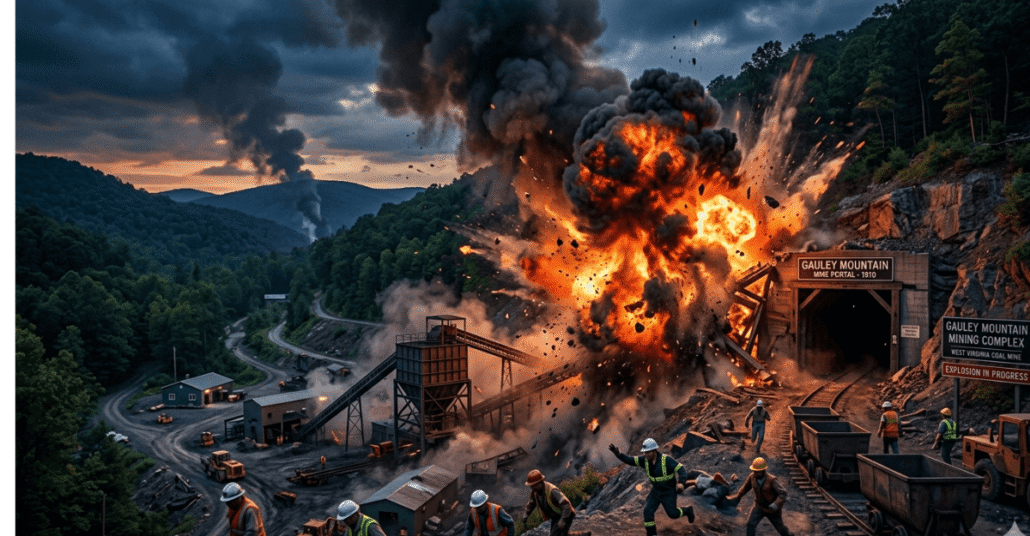
The fundamental causes of these catastrophic explosions are often traced back to the presence of flammable gases and combustible dust. Methane gas, which is naturally released from coal seams, is the most common culprit. When methane accumulates in poorly ventilated areas and reaches a certain concentration, a single spark from machinery, electrical equipment, or even a miner’s light can trigger a powerful blast. Similarly, coal dust, when suspended in the air, is highly explosive and can fuel a secondary, even more destructive, explosion that propagates throughout the mine tunnels.
What Causes Coal Mine Explosions in West Virginia?
Coal mine explosions are primarily caused by the ignition of methane gas or coal dust, often triggered by a spark from mining equipment or faulty electrical systems. These incidents typically occur when mine operators fail to maintain proper ventilation or neglect “rock dusting” procedures that neutralize explosive coal particles.
While the immediate trigger might be a single spark, the underlying cause is frequently a systemic failure in the mine’s safety program. In many West Virginia cases, explosions occur because of:
- Methane Accumulation: Methane is a colorless, odorless, and highly flammable gas that is naturally released from coal seams during the mining process. When ventilation systems are poorly maintained, improperly designed, or fail altogether, this gas can accumulate in dangerous, concentrated pockets within the mine workings. If the methane concentration in the air reaches a level between 5% and 15%, the mixture becomes highly explosive and can be ignited by the smallest spark or heat source. This initial ignition is often the trigger for a major disaster.
- Coal Dust Propagation: While a methane explosion is frequently the catalyst, it is fine coal dust suspended in the mine air that dramatically escalates a small incident into a devastating catastrophe. This dust, which is essentially pulverized coal, is highly combustible. The heat and pressure from the initial methane blast can loft massive amounts of this dust into the air, which then acts as a secondary and much more widespread fuel source. This process, known as a secondary explosion, can propagate the blast wave for thousands of feet through the mine shafts and tunnels, causing widespread destruction and loss of life.
- Inadequate Rock Dusting: To combat the explosive potential of coal dust, federal and state mining laws mandate a process called rock dusting. This involves applying crushed limestone, an inert and non-flammable mineral dust, to the walls, floor, and roof of the mine. The goal is for the rock dust to mix with the coal dust, rendering the resulting mixture non-flammable. When mine operators fail to adhere to these critical safety standards either by not applying enough rock dust or by using an insufficient grade, the mine tunnels essentially become a powder keg, ready to ignite with deadly force.
- Equipment Sparks: The operation of heavy machinery is another significant ignition source. Modern equipment like longwall shearers and continuous miners use cutting bits to extract coal. These processes generate intense heat and friction that can easily create sparks. To mitigate this risk, the equipment is designed with built-in water spray systems that cool the cutting bits and suppress sparks. However, if these water sprays become clogged, if the water pressure drops too low, or if the system is simply bypassed, the heat and sparks generated by cutting through rock and coal can instantly ignite an accumulated gas pocket, leading to a major explosion.
The Role of Methane Gas and Ventilation Failures
Methane gas, often referred to as “firedamp” by generations of West Virginia miners, is the most common precursor to a mine explosion. Because methane is lighter than air, it tends to collect in high spots, such as the “gob” areas where the roof has collapsed behind a longwall mining section.
Proper ventilation is the only way to keep methane levels safe. Huge fans located at the surface, such as those at the Westover Region 1 Office facilities or large operations in Monongalia and Marion counties, must constantly pull fresh air into the mine and exhaust contaminated air. When air currents are blocked, whether by an unplanned roof fall or a poorly maintained ventilation door, methane levels can spike within minutes.
Why Is Coal Dust So Dangerous in West Virginia Mines?
Coal dust is arguably the most dangerous element in an underground mine because it facilitates a chain reaction. A small methane ignition might only affect a localized area, but the pressure wave from that ignition kicks up settled coal dust from the floor and ribs. This dust then ignites, creating a secondary blast that is often much more powerful and destructive than the first.
This phenomenon was a primary factor in the 2010 Upper Big Branch disaster, where investigators found that coal dust allowed the explosion to travel through miles of the mine’s entries. To prevent this, West Virginia law mandates strict “incombustible content” levels. Mine examiners must regularly test the dust to ensure that enough rock dust has been applied to stop a flame from spreading.
Frequently Asked Questions About Mine Explosions
What are the main signs of a potential mine explosion risk?
The most critical warning signs include high methane readings on hand-held or machine-mounted monitors, visible accumulations of “float” coal dust on surfaces, and sluggish airflow in working sections. Miners may also notice unusual odors or a lack of water pressure in equipment suppression systems.
Under Federal Motor Carrier Safety Administration (FMCSA) and MSHA guidelines, any methane reading above 1% requires immediate action, such as adjusting ventilation or shutting down equipment. If levels reach 1.5% or higher, miners must be evacuated from the affected area immediately.
Other indicators that safety is being compromised include:
- Frequent and unexplained “tripping” of methane monitors on mining machines, indicating elevated levels of the explosive gas.
- Visible, thick dust clouds at the cutting face of the coal seam that are not being adequately suppressed by water sprays, creating a potential fuel source for an explosion.
- Significant accumulations of black coal dust covering the white, inert rock dust on the floor, ribs, or roof, compromising the effectiveness of the rock dust in preventing coal dust explosions.
- Ventilation curtains (stoppings), brattice cloths, or other air control devices that are torn, missing, improperly installed, or otherwise ineffective, leading to poor air circulation and the buildup of explosive or noxious gases.
Who can be held liable for a coal mine explosion in West Virginia?
Liability for a coal mine explosion typically rests with the mine operator, but it can also extend to parent corporations, equipment manufacturers, and third-party contractors. In West Virginia, victims may file “Deliberate Intention” claims if the employer knowingly exposed workers to a specific high-risk hazard.
Proving liability in these cases requires a deep dive into the mine’s history. Our legal team often looks for:
- A Pattern of Violations: Evidence that the Mine Safety and Health Administration (MSHA) or the West Virginia Office of Miners’ Health, Safety and Training (WVOMHST) had previously cited the mine for chronic and severe failures related to ventilation or combustible dust control issues, indicating a known and unaddressed risk.
- Equipment Defects: Failures in critical safety equipment, such as methane gas monitors, permissible electrical systems, or water spray systems, which may point to manufacturing flaws or negligent maintenance that the equipment provider or mine operator should have detected.
- Training Failures: A determination of whether the company provided the comprehensive and mandatory safety training required for all underground miners under West Virginia Rule §48-2, particularly focusing on emergency procedures, escape routes, and proper gas testing protocols.
- Falsified Records: Instances where mandated safety personnel, such as “fire bosses” or mine examiners, failed to accurately record dangerous gas levels, ventilation issues, or other immediate safety hazards in the daily ledger as required by federal and state regulations.
Legal Procedures and Filing in West Virginia
Most litigation involving mine explosions in the Morgantown area is handled in the Monongalia County Circuit Court, located at 75 High Street. These cases are highly technical, involving:
- Accident reconstruction and toxicology reports.
- Analysis of “black box” data from mining machinery.
- Testimony from ventilation experts and dust control specialists.
- Review of MSHA “P-codes” and citation histories.
Seeking Justice After a Mining Accident
The trauma of a coal mine explosion extends far beyond the physical injuries. It affects entire communities, from the families in Star City and Westover to the workers in the Fairmont coal fields. At Bailey, Javins, & Carter, L.C., we believe that no miner should have to risk their life because a company prioritized production over safety. We will listen to your story, explain your options under both Workers’ Compensation and Deliberate Intention laws, and help you determine the best path forward for your family’s future.
Please call us at 800-497-0234 or fill out our online contact form to schedule your consultation today.