
Bailey, Javins, and Carter LC

Charleston | (800) 497-0234

Morgantown | (304) 599-1112

  • Home
  • Firm Overview
    • Why Hire Us?
  • Attorneys
    • Timothy Bailey
    • Lee Javins
    • D. Blake “J.R.” Carter Jr.
    • J. Ryan Stewart
    • Linda Nelson Garrett
    • Taylor M. Norman
    • Robert Vaughan
    • Jayson Hamrick
    • Adam S. Daugherty
  • Practice Areas
    • Personal Injury
      • Motor Vehicle Accidents
        • Motorcycle Accidents
      • Nursing Home Abuse
      • Wrongful Death
      • Premises Liability
        • Slip & Fall Accidents
      • Pedestrian Accident
      • Back & Neck Injuries
    • Coal Mine Accidents
    • Commercial Truck Accidents
      • Cross Lanes Truck Accident Attorneys
      • Dunbar Truck Accident Attorneys
      • Huntington Truck Accident Attorneys
      • Montgomery Truck Accident Attorneys
      • Nitro Truck Accident Lawyers
    • Workplace Injury
      • Power Lineman Injuries & Death
      • Oil & Gas Well Injuries & Death
        • Pipeline Explosion Accidents
      • Construction Injuries
      • Fracking Injuries
      • Industrial Accident
      • Heavy Equipment Injuries and Death
      • Independent Contractors
    • Catastrophic Injury
      • Brain Injury
      • Back & Neck Injuries
      • Spinal Cord Injury
      • Burn Injury
      • Scarring and Disfigurement
      • Amputation
      • Explosion Injury
      • Helicopter Accidents
    • Product Liability
      • Talc Litigation
      • Auto Defects
        • Tire Defects
        • Takata Air Bag Recall
        • Defective Brakes
    • West Virginia Medical Malpractice Attorney
      • Birth Injury Lawyer
    • Workers’ Compensation
    • Contractor Negligence
  • Legal News
    • A look at safety in West Virginia coal mines
    • Distracted drivers the focus of new legislation in West Virginia
    • Dozens of lawsuits linked to chemical spill move forward
    • Feds announce new safety regulations on rail transportation of oil and gas
    • Four West Virginia mines issued citations by MSHA in September
    • Hunters could face injury, death from defective tree stands
    • Legal options for workers injured in gas and oil well accidents in West Virginia
    • Lowering speeds for large trucks could improve road safety
    • Social Security Disability benefits provides financial aid to WV residents
    • Study: Younger drivers may be better at texting and driving
    • Suing a mine operator for serious on-the-job injuries
    • Surge of black lung disease hitting Appalachian coal miners
    • Transvaginal Mesh Issues Discussed in West Virginia
    • Truckers with sleep apnea at greater risk for drowsy driving accidents
    • What recent tort reform measures in West Virginia mean for you
    • What you need to know about asbestosis and mesothelioma
  • Video FAQ’s
  • Blog
  • Contact
  • Menu Menu
Vicarious Liability in West Virginia Trucking Accident Cases

Vicarious Liability in West Virginia Trucking Accident Cases

September 9, 2024/by Bailey, Javins & Carter

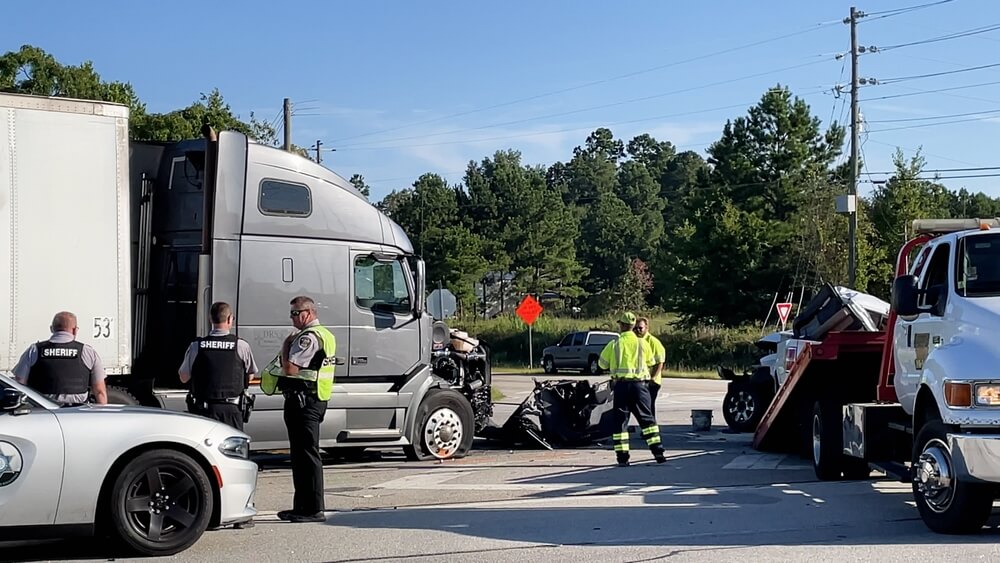
In the aftermath of a truck accident, victims often face numerous challenges, from medical bills to emotional distress. One key legal concept that may come into play in such situations is vicarious liability. This doctrine states that employers are responsible for the actions of their employees when those actions occur as part of their employment.

This means that even if a truck driver is technically responsible for a crash, liability may lie with their employer. This can have a significant impact on your claim. Learn more about your options now by calling Bailey Javins & Carter at 800-497-0234.

What is Vicarious Liability?

Vicarious liability is a legal concept that can make one party responsible for the actions of another. In trucking accidents, this means a trucking company can be held accountable for its driver’s actions if those actions happen while the driver is performing job-related tasks. For instance, if a driver causes an accident during a long-haul trip, the company might be liable for any resulting damages. On the flip side, an employer may not be liable if an employee’s actions are not job-related. For example, if a truck driver abandons their load, goes off their route and drinks all day before getting back on the road and driving aimlessly, the employer may not be liable.

This principle is based on the idea that employers must ensure their employees are well-trained, adhere to safety protocols, and follow the law. If a company neglects these duties, it could be vicariously liable for its driver’s actions, even if it didn’t directly cause the accident.

When Vicarious Liability Applies in Trucking Accidents

For vicarious liability to apply in trucking accidents, the driver must have been performing tasks related to their job at the time of the incident. This includes activities such as transporting goods or making deliveries. If a driver causes an accident while fulfilling these duties, the trucking company can be held responsible for the resulting damages.

However, if the driver was engaged in personal activities or acting in a manner outside their job description—like running personal errands—the company may not be liable. Courts will scrutinize whether the driver adhered to company policies and whether their actions were typical for their role. This careful examination is crucial for determining liability and seeking compensation after a trucking accident.

The Role of Trucking Companies

Trucking companies hold a critical responsibility when it comes to vicarious liability. They are obligated to hire competent drivers, provide comprehensive training, and strictly enforce safety measures. A company that neglects these responsibilities can be held liable if a driver causes an accident. Additionally, trucking companies must maintain their fleet to prevent mechanical failures that could lead to accidents. 

Regular vehicle inspections and timely repairs are essential to ensuring road safety. Failure to comply with federal and state regulations, such as pushing drivers beyond legally allowed working hours, can also result in increased liability. Negligence in any of these areas may make a company vicariously liable for accidents.

Legal Steps to Take After a Trucking Accident

In the aftermath of a truck accident, it’s essential to act quickly to protect your rights and build a solid case. First, prioritize your health by seeking immediate medical attention for any injuries. Documenting the accident scene is also crucial. Take photographs, gather contact information from witnesses, and collect the truck driver’s details.

Promptly report the accident to local authorities and file an official police report to create a formal record. Inform your insurance company about the incident, providing them with all the necessary details to initiate a claim.

Given the complexities of trucking accident cases, consider consulting with a specialized attorney. A lawyer can help you gather critical evidence, negotiate with insurance companies, and explore all legal avenues for compensation. Taking these steps can greatly influence the outcome of your case and ensure you receive the support and justice you deserve.

Demand Fair Compensation with Bailey Javins & Carter

At Bailey Javins & Carter, we help West Virginia truck accident victims pursue justice as they seek compensation. Take the first step in your claim by setting up a free consultation. Call us at 800-497-0234 or send us a quick message online to set up a meeting now.
Share this entry
  • Share on Facebook
  • Share on X
  • Share on LinkedIn
  • Share by Mail
https://www.baileyjavinscarter.com/wp-content/uploads/2024/10/shutterstock_2317999623-1.jpg 563 1000 Bailey, Javins & Carter http://www.baileyjavinscarter.com/wp-content/uploads/2018/09/logo.png Bailey, Javins & Carter2024-09-09 11:46:052024-11-15 18:02:12Vicarious Liability in West Virginia Trucking Accident Cases
You might also like
How Do Coal Truck Weight Limits Affect West Virginia Accident Cases? How Do Coal Truck Weight Limits Affect West Virginia Accident Cases?

Recent Posts

  • What Is Considered Medical Malpractice in West Virginia?
  • What Damages Are Available in Third-Party Workplace Injury Cases?
  • How Do I Prove Industrial Equipment Was Defectively Designed?
  • Can I Sue the Trucking Company and Driver Separately?
  • Chemical Disaster in Institute, WV
bailey javins & carter

Useful Links

  • HOME
  • CONTACT
  • DISCLAIMER
  • PRIVACY POLICY
  • SITEMAP

Contact

Charleston Office

(304) 345-0346

(800) 497-0234

Morgantown Office

(304) 599-1112

Follow Us

© 2026 Bailey, Javins, & Carter L.C. All rights reserved | This is a Too Darn Loud Marketing law firm website.
Link to: Determining Lost Wages in a Truck Crash Claim Link to: Determining Lost Wages in a Truck Crash Claim Determining Lost Wages in a Truck Crash ClaimLost Wages in a Truck Accident ClaimLost Wages in a Truck Accident Claim Link to: Delayed Injury Symptoms to Look for After a Commercial Trucking Accident Link to: Delayed Injury Symptoms to Look for After a Commercial Trucking Accident injuries from truck accidentsDelayed Injury Symptoms to Look for After a Commercial Trucking Accident
Scroll to top Scroll to top Scroll to top