Truck Underride Guards: The Critical Safety Feature Missing in Many West Virginia Trucking Accidents
An “underride” accident occurs when a car collides with the back or side of a large truck and slides underneath it. The immense force of the truck often shears off the car’s roof, leading to catastrophic, and often fatal, head and neck injuries for the occupants. These horrific events are entirely preventable with a simple safety feature: underride guards. Despite being a proven, life-saving technology, many commercial trucks on West Virginia highways, including key arteries like I-79, still lack adequate underride protection. This omission leaves motorists vulnerable and introduces a complex layer of liability in a truck accident claim.
What is a Truck Underride Guard?
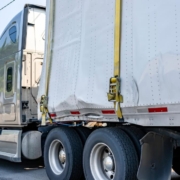
A truck underride guard is a vital piece of safety equipment meticulously engineered to prevent a smaller passenger vehicle from sliding underneath the elevated chassis of a large truck or semi-trailer during a collision. These vital guards are typically robust steel bumpers or barriers, strategically installed across the rear and along the sides of the truck or trailer.
Their main purpose is to ensure that, in the unfortunate event of a rear-end or side-impact collision, the smaller vehicle’s bumper makes direct and firm contact with the underride guard, rather than allowing the vehicle to slide beneath the truck’s higher frame. This critical contact enables the passenger car’s inherent safety features—such as its advanced airbag deployment systems and meticulously designed crumple zones—to activate and function precisely as intended.
By absorbing the kinetic energy of the impact and distributing forces effectively, these features work cohesively to protect the occupants within the smaller vehicle, significantly reducing the severity of injuries and fatalities.
There are two primary configurations of underride guards, each addressing different collision scenarios:
- Rear Underride Guards: These are the most prevalent type and are mandated by federal law to be installed on the rear of the vast majority of trailers operating within the United States. However, the existing regulation has faced considerable criticism from safety advocates and experts. The concern stems from the fact that the current legal specifications often permit a guard that can still be positioned too high off the ground or be structurally too weak to effectively prevent underride in many real-world collision scenarios, particularly those involving passenger cars with lower profiles or impacts at certain angles. This perceived inadequacy highlights a significant gap in current safety standards.
- Side Underride Guards: These protective barriers extend along the entire length of the trailer, typically spanning the distance between the front and rear wheel assemblies. Crucially, unlike rear underride guards, side underride guards are not required by federal law in the United States. This absence of a federal mandate is a substantial contributing factor to the severity and high fatality rates associated with side-impact underride accidents, where smaller vehicles can easily slide underneath the truck’s side, leading to catastrophic consequences for occupants. The lack of comprehensive side underride protection represents a critical safety deficiency in the current regulatory landscape.
The Dangers of Underride Accidents
Without a proper underride guard, a seemingly survivable collision can become a tragedy. The typical car is much shorter than the bed of a commercial truck. When a car hits the back of a truck, it can pass under the frame, and the truck’s body becomes a lethal blade. The force of the impact can decapitate or crush the occupants of the car, even at relatively low speeds.
The results of these accidents are often severe, causing injuries that include:
- Traumatic Brain Injuries (TBI): The force of a roof collapse can cause severe head trauma, resulting in lifelong cognitive and physical impairments.
- Decapitation: This is a tragically common outcome in high-speed underride crashes.
- Spinal Cord Injuries: The impact can lead to paralysis, a permanent and devastating injury.
- Neck and Facial Trauma: A victim’s face and neck can be severely damaged or disfigured.
A simple rear underride guard that meets current federal standards isn’t a perfect solution either. Many of these guards fail in offset collisions—where only part of the car’s front hits the guard—or when the car is a more modern, lower-profile vehicle. This has led to advocacy for stronger, more comprehensive underride protection that can withstand a wider range of crash forces.
Federal and State Regulations on Underride Guards
In 1998, the National Highway Traffic Safety Administration (NHTSA) enacted a rule mandating rear underride guards on most large trucks and trailers. These standards, known as Federal Motor Vehicle Safety Standard (FMVSS) 223 and 224, were a step forward but have been criticized for their limitations. They specify a maximum guard height from the ground and require the guard to withstand a certain amount of force in specific impact zones.
However, the regulations have significant gaps:
- Side Guards are Not Required: As previously mentioned, there is no federal requirement for side underride guards, which leaves the sides of trailers completely exposed.
- Inadequate Strength: Critics argue that the guards required by law are often not strong enough to prevent underride in higher-speed crashes or in situations where the car hits the guard at an angle.
- Exemptions: Certain vehicles, such as logging trucks, dump trucks, and some specialized trailers, are often exempt from these requirements, despite operating on the same public roads as everyone else.
How the Lack of Underride Guards Impacts a West Virginia Truck Accident Claim
When a truck accident results in underride, it’s not just about the truck driver’s negligence. It introduces a new dimension of liability that extends beyond the driver and the trucking company.
- Product Liability: If the underride guard on the truck failed to perform as it should have, or was defectively designed, the manufacturer of the guard could be held liable. This type of claim requires a detailed analysis of the guard’s design and performance.
- Negligence of the Trucking Company: A trucking company can be held responsible if it failed to properly maintain the underride guard, installed a substandard or non-compliant guard, or knowingly operated a vehicle that was exempt from underride regulations.
- Negligence of the Trailer Owner: The owner of the trailer, which may be a different entity from the trucking company, can also be a liable party. If they provided a trailer with a missing or damaged underride guard, they could be held responsible for the resulting injuries.
For those injured in a truck accident on a winding road near Morgantown or a busy stretch of I-79, the lack of an underride guard can change everything. It turns what could have been a fender-bender into a catastrophic event, and it opens up the claim to a wider range of defendants beyond the driver alone.
Why Legal Action is Necessary to Drive Safety Improvements
The fight for stronger underride regulations has been ongoing for decades. Many safety advocates, including families who have lost loved ones in these accidents, are pushing for Congress to pass legislation that would mandate stronger rear guards and require side guards on all new trailers.
One of the most effective ways to force safety changes in the transportation industry is through civil litigation. When a jury awards a substantial verdict against a trucking company or a manufacturer for negligence related to a preventable accident, it sends a powerful message. It incentivizes the entire industry to prioritize safety measures, like robust underride guards, to avoid similar legal and financial repercussions in the future. Legal action isn’t just about obtaining compensation for a single victim; it’s about holding the line and pushing for a safer future for everyone who shares the road.
Connect with Bailey, Javins & Carter, L.C.
The aftermath of a serious truck underride accident is a terrifying and disorienting time. While you are coping with the physical and emotional recovery, the trucking company and their insurance providers are already working to limit their liability. They may try to settle the claim quickly or shift the blame to you or your loved one. Our firm is prepared to step in and handle every aspect of the investigation. We have a history of working with transportation experts and accident reconstruction specialists who can determine if a defective or absent underride guard contributed to the crash. Our team is dedicated to fighting for the full and fair compensation you need to rebuild your life.
If you or a loved one has been injured in a truck underride accident in West Virginia, you have a limited time to act. Call us today at 678-981-5370 for a free, confidential conversation about your legal options. Let us help you seek justice and accountability.
 How Does Driver Training Impact Trucking Accident Rates?