
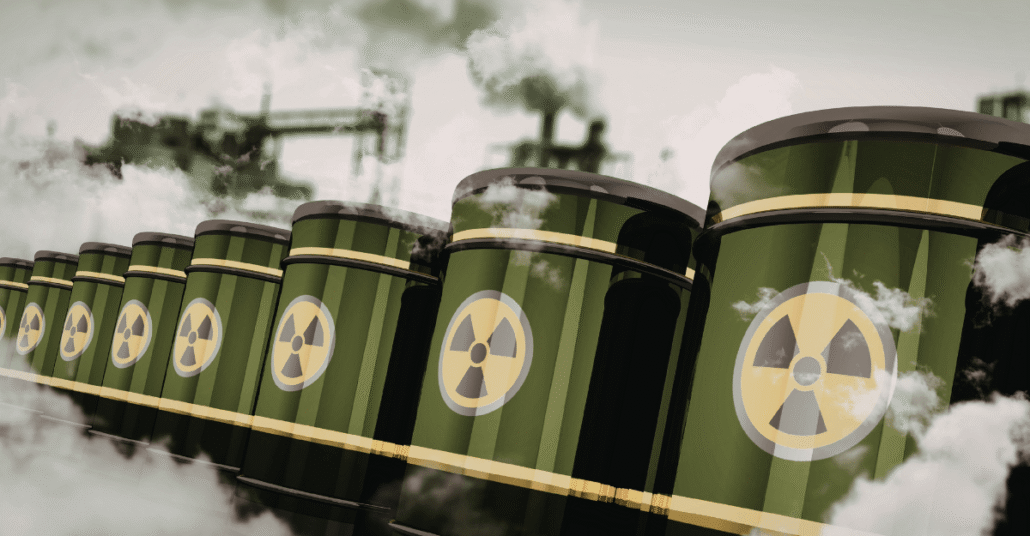
Truck Cargo Spills on I-79: Chemical and Hazardous Material Injuries in Morgantown
When hazardous materials spill from commercial trucks on Interstate 79 near Morgantown, the consequences extend far beyond traffic delays. Chemical exposure from cargo spills can cause severe burns, respiratory damage, and long-term health complications for motorists, first responders, and nearby residents. Under West Virginia law, victims of these incidents may recover compensation from negligent trucking companies, drivers, cargo loaders, and chemical manufacturers responsible for the accident.
I-79 serves as a major commercial trucking corridor through Monongalia County, carrying millions of tons of cargo annually between Pittsburgh and points south. The interstate’s route through the Morgantown area—including the busy I-79/I-68 interchange and sections between Star City, Westover, and Fairmont—sees constant heavy truck traffic. When tanker trucks and tractor-trailers carrying acids, industrial chemicals, fuel oil, and other hazardous substances crash and spill their cargo, entire sections of highway may close for days while specialized hazmat teams work to contain contamination and protect public safety.
Hazardous Material Incidents on I-79 Near Morgantown
The stretch of I-79 running through Monongalia County has experienced multiple significant hazmat incidents in recent years. In September 2024, a tanker truck carrying strong industrial acid rolled over near the Goshen Road exit at mile marker 146, spilling corrosive material across the southbound lanes.
The acid severely damaged approximately 500 feet of pavement, requiring crews to excavate and repave the roadway. The interstate remained closed for more than 48 hours while the Monongalia County Hazardous Incident Response Team, West Virginia Division of Highways Hazardous Materials Response Team, and multiple volunteer fire departments worked to contain and clean up the spill.
This incident followed other hazmat situations on the same corridor, including fuel oil spills at the I-79/I-68 interchange and crashes involving trucks carrying pharmaceutical products, industrial chemicals, and petroleum. Each of these events demonstrates the ongoing risks that commercial trucking poses to the Morgantown community—and the potential for serious chemical exposure injuries when accidents occur.
What Should I Do If I Am Exposed to Chemicals from a Truck Spill on I-79?
If you are exposed to chemicals from a truck cargo spill, immediately move away from the contaminated area to fresh air, call 911, and seek medical attention at J.W. Ruby Memorial Hospital or the nearest emergency facility—even if you feel fine initially. Many chemical exposure symptoms develop hours or days after contact, making prompt medical documentation essential for both your health and any future legal claim.
Chemical exposure can occur through inhalation of toxic fumes, direct skin contact with spilled substances, or contamination of clothing and vehicles. The severity of injuries depends on the type of chemical involved, the concentration of exposure, and how quickly you receive treatment.
Some substances—like the industrial acids transported through West Virginia—cause immediate burning sensations and visible injuries. Others, including certain organic compounds and petroleum products, may produce delayed symptoms that appear hours or even days after exposure.
Immediate steps to protect yourself:
- Move upwind and away from the spill site. Do not attempt to help others in the contaminated zone unless you have proper protective equipment.
- Call 911 and report the incident. Emergency dispatchers will coordinate response from the Monongalia County Hazardous Incident Response Team, local fire departments, and EMS.
- Remove contaminated clothing carefully, avoiding contact with your skin and eyes. Seal clothing in plastic bags for potential evidence preservation.
- Rinse any exposed skin with large amounts of water. If chemicals contact your eyes, flush continuously for at least 15 minutes.
- Seek emergency medical care at J.W. Ruby Memorial Hospital’s Jon Michael Moore Trauma Center or the nearest emergency room, even if symptoms seem minor.
Medical records from your initial treatment become important evidence if you later pursue a legal claim. Be sure to describe exactly how the exposure occurred, what symptoms you experienced, and any chemicals you believe were involved. Follow up with your physician as directed, as some chemical exposure injuries require ongoing monitoring and treatment.
What Injuries Can Result from Chemical Exposure in a Truck Accident?
Chemical exposure from truck cargo spills can cause respiratory injuries, chemical burns, neurological damage, and long-term organ damage. Victims may experience immediate symptoms like difficulty breathing, skin burns, and eye irritation, or delayed conditions including chronic respiratory illness, chemical pneumonitis, and reactive airway dysfunction syndrome that develop days or weeks after exposure.
The specific injuries depend on the chemical involved. Corrosive acids—like those spilled in the 2024 Goshen Road incident—cause immediate tissue damage on contact. Hydrofluoric acid, commonly transported through industrial corridors, poses particular dangers because fluoride ions penetrate deep into tissue and can cause fatal cardiac complications even from seemingly minor skin exposure. Chlorine, ammonia, and similar gases produce severe respiratory distress within minutes of inhalation.
Common chemical exposure injuries include:
- Respiratory damage: Inhalation of toxic fumes can cause chemical pneumonitis, pulmonary edema, chronic obstructive pulmonary disease (COPD), reactive airway dysfunction syndrome, and permanent lung scarring.
- Chemical burns: Acids, caustic substances, and corrosive materials cause burns ranging from superficial skin damage to deep tissue destruction requiring skin grafts and reconstructive surgery.
- Eye injuries: Chemical contact with eyes can cause corneal burns, vision impairment, and permanent blindness.
- Neurological effects: Certain chemicals affect the nervous system, causing cognitive impairment, memory problems, tremors, and chronic headaches.
- Organ damage: Absorbed chemicals can damage the liver, kidneys, heart, and other internal organs, sometimes causing effects that appear months or years after exposure.
First responders, including volunteer firefighters from Clinton District, Triune Halleck, and other Monongalia County departments who respond to I-79 hazmat incidents, face particular risks from repeated chemical exposure. Motorists caught in traffic near spill sites, residents of communities adjacent to the interstate, and workers at nearby businesses may also suffer exposure injuries.
Who Can Be Held Liable for a Hazardous Material Truck Spill in West Virginia?
Multiple parties may bear responsibility for hazardous material truck accidents on I-79, including the truck driver, the trucking company, the company that loaded the cargo, the shipper or manufacturer of the hazardous materials, and vehicle or equipment manufacturers. Federal regulations impose strict requirements on everyone involved in transporting dangerous goods, and violations of these rules can establish negligence.
The Federal Motor Carrier Safety Administration (FMCSA) and the Pipeline and Hazardous Materials Safety Administration (PHMSA) regulate the transportation of hazardous materials under 49 CFR Parts 100-180 and 49 CFR Part 397. These regulations govern driver certification, vehicle maintenance, cargo securement, placarding, routing, and emergency response procedures. When trucking companies, drivers, or shippers violate these requirements, they can be held liable for resulting injuries.
Potentially liable parties include:
- Truck drivers: Drivers transporting hazardous materials must hold valid commercial driver’s licenses with hazmat endorsements, complete specialized training, and pass background checks and security threat assessments. Driver negligence—including speeding, fatigue, distraction, or failure to follow hazmat protocols—can cause accidents.
- Trucking companies: Motor carriers bear responsibility for hiring qualified drivers, maintaining vehicles, providing proper training, and ensuring compliance with hours-of-service rules. Companies that cut corners on safety to meet delivery deadlines can be held accountable.
- Cargo loaders: Improper loading, inadequate securement, and failure to properly balance tank trucks can cause rollovers and cargo releases. The company responsible for loading bears liability when loading errors contribute to accidents.
- Shippers and chemical manufacturers: Companies that ship hazardous materials must properly classify, package, label, and document their products. Failure to disclose hazards or provide accurate shipping information can make shippers liable for resulting injuries.
- Equipment manufacturers: Defective tanker components, faulty valves, inadequate containment systems, and other equipment failures can cause or worsen chemical spills. Product liability claims may apply when equipment defects contribute to cargo releases.
Investigating hazmat truck accidents requires prompt action to preserve evidence. Event data recorders (“black boxes”) capture information about vehicle speed, braking, and other factors in the moments before a crash. Cargo manifests, driver logs, maintenance records, and training documentation all become relevant evidence. Because trucking companies often begin their own investigations immediately after accidents—and may attempt to limit evidence access—securing legal representation quickly can protect your ability to build a strong case.
Filing Deadlines and Legal Procedures
West Virginia’s statute of limitations gives you two years from the date of injury to file a personal injury lawsuit arising from a hazardous material truck accident. This deadline applies to claims filed in Monongalia County Circuit Court and other West Virginia courts. Missing this deadline typically bars your claim permanently, regardless of how serious your injuries may be.
For chemical exposure injuries, determining when the two-year period begins can be complicated. Some injuries manifest immediately, while others develop gradually over time. West Virginia’s discovery rule may extend the deadline in cases where injuries were not immediately apparent, but this is a fact-intensive analysis that requires careful legal evaluation.
Claims arising from I-79 hazmat accidents in the Morgantown area are typically filed in Monongalia County Circuit Court, located at 75 High Street in downtown Morgantown. Cases involving out-of-state trucking companies may implicate federal jurisdiction or require coordination across multiple court systems. The investigation and litigation of these claims often extends over months or years, involving accident reconstruction, toxicology analysis, medical testimony, and federal regulatory compliance review.
Compensation Available for Chemical Exposure Injuries
Victims of hazardous material truck accidents may recover compensation for medical expenses, lost wages, pain and suffering, permanent disability, and other damages. Chemical exposure cases often involve substantial medical costs for emergency treatment, ongoing care, and long-term monitoring of exposure-related health conditions.
Recoverable damages may include:
- Emergency medical treatment and hospitalization at J.W. Ruby Memorial Hospital or other facilities
- Ongoing medical care, including pulmonology, dermatology, and other specialist treatment
- Future medical expenses for monitoring and treating long-term exposure effects
- Lost wages during recovery and diminished earning capacity if injuries affect your ability to work
- Pain and suffering, including physical discomfort and emotional distress
- Permanent scarring or disfigurement from chemical burns
- Property damage to vehicles contaminated by chemical exposure
In cases involving particularly reckless conduct—such as trucking companies that knowingly violate safety regulations or conceal known hazards—punitive damages may also be available. These damages are intended to punish egregious misconduct and deter similar behavior in the future.
Frequently Asked Questions
How do I know if I was exposed to hazardous chemicals after a truck accident on I-79?
Signs of chemical exposure include difficulty breathing, burning sensations in your eyes, nose, or throat, skin irritation or burns, nausea, dizziness, and unusual odors. Some exposures cause delayed symptoms appearing hours or days later, so seek medical evaluation after any potential contact with spilled cargo, even if you initially feel fine.
What is the statute of limitations for a hazmat truck accident claim in West Virginia?
West Virginia law generally provides two years from the date of injury to file a personal injury lawsuit. For chemical exposure cases where symptoms develop gradually, the discovery rule may affect when this period begins. Given the complexity of these cases, consulting an attorney promptly protects your ability to pursue compensation.
Can I sue if I was exposed to chemicals but the truck driver was not cited by police?
Yes. Civil liability does not depend on whether the driver received a traffic citation. Your civil case operates under a different burden of proof than criminal or traffic proceedings. Evidence of negligence—including violations of federal hazmat transportation regulations—can establish liability even without police citations.
What if I was a first responder injured while responding to a hazmat incident on I-79?
First responders, including volunteer firefighters and EMS personnel from Monongalia County departments, may have claims against negligent trucking companies and other parties responsible for hazmat spills. Workers’ compensation may also apply. The interaction between these remedies depends on your employment status and the circumstances of your exposure.
How long do chemical exposure symptoms take to appear?
Symptom onset varies dramatically by chemical. Highly soluble gases like chlorine and ammonia cause immediate irritation within minutes. Less soluble substances like phosgene and nitrogen dioxide may produce delayed respiratory symptoms 3 to 24 hours after exposure. Some chronic conditions develop weeks, months, or years later. Medical monitoring after exposure is important.
What evidence should I preserve after a hazmat truck accident?
Preserve all contaminated clothing in sealed plastic bags, photograph the accident scene and any visible injuries, keep all medical records and bills, document your symptoms in writing, and retain any correspondence with insurance companies. An attorney can help secure additional evidence like truck maintenance records, driver logs, and cargo manifests before it disappears.
Can I recover compensation if my vehicle was contaminated by chemical exposure?
Yes. Property damage claims can include vehicle decontamination costs or replacement value if contamination cannot be remediated. You may also recover for other personal property damaged by chemical exposure. Document all affected property and obtain professional assessments of contamination and remediation options.
Where would my hazmat truck accident case be filed in Morgantown?
Most personal injury claims arising from I-79 hazmat accidents in the Morgantown area are filed in Monongalia County Circuit Court, located at 75 High Street in Morgantown. Cases involving federal questions or out-of-state defendants meeting certain requirements may be filed in or removed to federal court in the Northern District of West Virginia.
Protecting Your Rights After a West Virginia Hazmat Truck Accident
Hazardous material truck accidents on I-79 create complex legal situations involving federal regulations, multiple potentially responsible parties, and injuries that may not fully manifest for months or years. At Bailey, Javins & Carter, L.C., we have the knowledge and resources to investigate these incidents thoroughly, identify all liable parties, and pursue full compensation for chemical exposure injuries sustained by Morgantown-area residents.
If you or a family member suffered chemical exposure injuries from a cargo spill on I-79 or another West Virginia highway, we encourage you to contact our firm for a free consultation. Time-sensitive evidence in trucking cases can disappear quickly, and the two-year statute of limitations begins running from the date of your injury. Call us at 800-497-0234 or complete our online contact form to discuss your situation and learn about your legal options.