The Vital Role of Witnesses in West Virginia Auto Accident Claims
While car accidents often occur in the blink of an eye, the physical, financial, and emotional repercussions can endure for years, or even a lifetime, especially when injuries are severe.
In the immediate aftermath of a collision, adrenaline and confusion often cloud the situation. However, the steps taken in the minutes following an impact can be the deciding factor in the success of your insurance claim or personal injury lawsuit.
Because West Virginia operates under a traditional tort liability system, individuals involved in car crashes must substantiate the other party’s fault to recover compensation for damages.
Proving negligence—the legal term for failing to act with the care that a reasonable person would use—is rarely straightforward. While police reports, vehicle damage assessments, and medical records are foundational pieces of evidence, the testimony of an eyewitness often serves as the “tie-breaker” when liability is contested.
The West Virginia Legal Landscape: Why “Fault” Matters
To understand why witnesses are so important, one must first understand West Virginia’s legal framework regarding auto accidents. West Virginia is an “at-fault” state. This means that if you are injured in an accident, the burden is on you to prove that the other driver was negligent.
Furthermore, West Virginia adheres to a modified comparative negligence rule, as outlined in W. Va. Code § 55-7-13C. Under this statute, specifically subsection (c), you can only recover damages if you are less than 50% at fault for the accident.
If you are found to be 50% or more at fault, you are barred from recovering any compensation. This high-stakes legal environment makes the “he-said, she-said” nature of many accidents incredibly dangerous for the victim.
Without objective evidence to tip the scales, insurance adjusters may attempt to assign a percentage of fault to you to reduce or deny your claim. This is precisely where a neutral third-party witness becomes an invaluable asset.
Additionally, it is crucial to note that under W. Va. Code § 55-2-12, you generally have a statute of limitations of two years from the date of the accident to file a personal injury lawsuit. Failing to act within this timeframe typically bars you from recovery, making the prompt collection of witness evidence even more time-sensitive.
The Power of the Independent Observer
One of the first questions a police officer, an insurance adjuster, or your own personal injury attorney will ask following an accident is: “Were there any witnesses?”
The testimony of a witness functions as a “reality check.” It helps reconstruct the sequence of events and creates an objective picture of what transpired. In many cases, the two drivers involved will offer conflicting accounts of the collision. Driver A may insist that the traffic light was green when they entered the intersection, while Driver B maintains the same.
When both parties are adamant about their version of the truth, the claims process can stall. This is where a witness is not merely helpful; they are often the deciding factor. An unbiased bystander who was not involved in the collision has no personal stake in the outcome. Their ability to provide an impartial account can clear up discrepancies, dismantle the opposition’s narrative, and provide the objective evidence necessary to hold the liable party accountable.
What Constitutes a “Good” Witness?
While witnesses are a critical component of the claims process, not all testimony is weighed equally. Insurance adjusters and juries are trained to evaluate the credibility of a statement. If you are involved in a car accident in West Virginia, you should prioritize identifying witnesses who possess high credibility. Several factors influence how much “weight” an adjuster will give to a witness’s statement:
1. Position and Perspective
The physical location of the witness is paramount. A person who was walking on the sidewalk, waiting at a crosswalk, or sitting in a parked car with a clear, unobstructed line of sight is far more valuable than a driver who only saw the crash in their rearview mirror. The ideal witness had the opportunity to observe the events leading up to the collision, not just the impact itself. If a witness only saw the aftermath, they cannot testify to speed, traffic signals, or lane deviations, which limits their usefulness.
2. Lack of Bias (The Relationship Factor)
While the passenger in your vehicle likely saw everything clearly, they may not be viewed as the best witness by an insurance adjuster. Because they have a relationship with you, the adjuster may assume they are biased. An insurance company is much more likely to accept the statement of a stranger who has no personal connection to either driver. If you can secure the contact information of a passerby, that testimony will almost always carry more weight than that of a family member or friend.
3. Physical and Cognitive Capability
A witness’s ability to perceive reality is a key element of their credibility. An individual who has excellent vision and hearing, and who appears alert and composed, is naturally more reliable than someone who may have been distracted or impaired. If a witness was looking at their phone, or if they have a documented history of visual impairments or cognitive conditions that might affect their perception, their testimony can be challenged by the defense.
4. Consistency and Corroboration
The most effective witness is one whose account is supported by other physical evidence. If a witness claims that the other driver was speeding, and the vehicle damage or skid marks at the scene corroborate that high speed, the witness’s credibility increases exponentially. Conversely, if a witness’s testimony is contradicted by the physical evidence, their account may be discarded entirely.
Finding and Securing Witnesses: A Proactive Approach
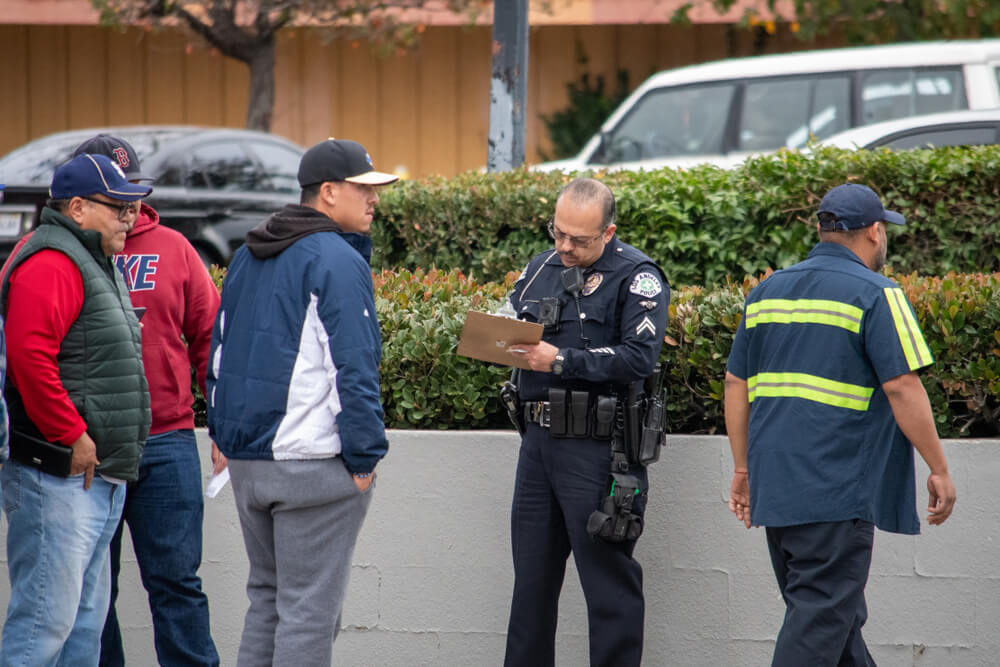
If you are physically able to do so after an accident, taking an active role in gathering information is vital. While the scene is still chaotic, look for individuals who stopped to assist or who were nearby when the crash occurred.
- Request Contact Information: Politely ask for their full name, phone number, and email address.
- Briefly Discuss the Incident: Ask them for a short summary of what they saw. You do not need a deposition at the scene, but getting a basic sense of their perspective is helpful.
- Ask for a Police Statement: Urge them to stay and provide a statement to the responding officer. Police reports are the “gold standard” for insurance claims, and having a witness statement included in the official report is invaluable.
If you are injured or incapacitated, you may not be able to gather this information yourself. In these instances, you should rely on the police to document the scene. However, even if a witness doesn’t stay for the police, your attorney may be able to track them down later.
The Modern “Witness”: Digital and Electronic Evidence
It is important to remember that witnesses are not always human. In the modern era, “digital witnesses” are increasingly powerful in West Virginia accident claims.
- Dashcams: Many vehicles are now equipped with dash-mounted cameras. If you are in an accident, ask the other drivers or nearby motorists if they have a dashcam.
- Surveillance Cameras: If the accident occurred near a business, gas station, or residential home, there is a high probability that security cameras captured the event.
- Traffic Cameras: Local authorities may have footage of the intersection, though this is often time-sensitive and can be deleted if not requested quickly.
Your attorney can issue “spoliation letters” to businesses or entities to ensure that relevant surveillance footage is preserved before it is automatically deleted.
Why You Need Professional Legal Assistance
The aftermath of a car accident is overwhelming. You are likely dealing with physical pain, vehicle repairs, and mounting medical bills. Navigating the legal complexities of proving fault while trying to recover is a daunting task.
When you hire a West Virginia car accident lawyer, the collection of evidence becomes a primary part of their professional obligation. An attorney knows how to locate potential witnesses who may have faded into the background of a busy scene. They have the resources to:
- Interview witnesses while their memories are still fresh and accurate.
- Analyze conflicting testimonies and reconcile them with the physical evidence.
- Cross-reference witness accounts with police reports and medical records to build a cohesive narrative of liability.
- Issue subpoenas if a witness is reluctant to come forward or is needed for testimony in a formal hearing or deposition.
We prioritize the collection of all types of evidence—from eyewitness statements to digital surveillance—to ensure that your case is as strong as possible. If you were injured in a West Virginia car accident, do not leave the outcome of your claim to chance. Securing the truth is the most important step in securing the compensation you deserve.