Wheeling, WV Trucking Accident Lawyers
Wheeling stands as a critical artery for commerce and transportation in West Virginia’s Northern Panhandle. With major thoroughfares like Interstate 70, I-470, and state routes such as WV-2 and WV-88 converging here, our city sees a constant flow of commercial vehicle traffic. This proximity to key routes connecting Ohio, Pennsylvania, and the rest of West Virginia makes Wheeling a vital hub for the logistics, energy, and manufacturing sectors. While essential for our region’s economy, this unending parade of 18-wheelers, semi-trucks, and other large commercial vehicles introduces significant risks to our local roadways.
Why Are Truck Accident Cases So Different?
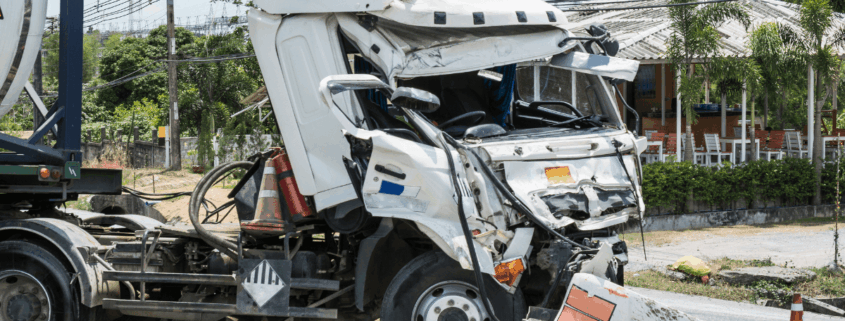
Navigating a truck accident claim is profoundly different from handling a standard car accident case. The forces involved are much greater, the injuries are typically more severe, and the regulations governing the industry are far more complex.
Disparity in Size and Weight: A commercial truck’s immense weight and size compared to a passenger vehicle create a force multiplier in a collision. This disparity means that even at low speeds, the impact can crush smaller vehicles, leading to life-altering injuries.
Longer Stopping Distances: Large trucks require a significantly greater distance to come to a complete stop, especially when fully loaded or traveling at highway speeds on I-70. Wet or icy conditions on Wheeling’s roads can extend this distance even further, making it difficult for truck drivers to react to sudden traffic changes.
Severe and Catastrophic Injuries: The occupants of passenger vehicles almost always bear the brunt of the impact. Survivors often face a lifetime of medical challenges. Common injuries include:
- Traumatic Brain Injuries (TBI): These can range from concussions to severe cognitive deficits that necessitate lifelong medical care and assistance.
- Spinal Cord Injuries: Damage to the spinal cord frequently results in partial or complete paralysis, changing a person’s life forever.
- Multiple Fractures and Crush Injuries: The sheer force of the impact can cause extensive broken bones and internal damage, requiring multiple surgeries and prolonged rehabilitation.
- Severe Burns: Accidents involving ruptured fuel tanks can lead to fires, causing horrific burn injuries.
- Internal Organ Damage: The impact can cause significant damage to internal organs, often requiring emergency surgical intervention.
- Amputations: The traumatic force on limbs can be so severe that amputation is the only medical option.
- Permanent Disfigurement: Scars and other disfiguring injuries can lead to significant emotional and psychological distress.
When these accidents result in a fatality, the surviving family members are left to pick up the pieces. In these heartbreaking situations, a wrongful death claim can be pursued to hold the responsible parties accountable and secure a measure of financial stability for the family’s future.
What Are the Common Causes of Truck Accidents in the Wheeling Area?
Truck accidents around Wheeling often result from a mix of driver error, corporate negligence, and the specific challenges of our local geography. Pinpointing the precise cause is a key step in building a strong case for compensation.
Driver-Related Factors
- Driver Fatigue: The pressure to meet tight delivery deadlines can lead drivers to violate federally mandated Hours-of-Service (HOS) regulations. These rules are designed to prevent fatigue, but the temptation to push through, especially on long stretches of I-70, is a persistent problem. A fatigued driver’s reaction time, judgment, and awareness are significantly impaired.
- Speeding and Reckless Driving: The hilly terrain and winding roads in the Ohio Valley demand careful driving. When truck drivers travel too fast for the conditions, they risk losing control, leading to jackknife accidents, rollovers, or brake failure on steep downgrades.
- Distracted Driving: Federal regulations prohibit commercial drivers from using handheld mobile devices, but distractions remain a major issue. Using dispatching devices, GPS, or cell phones diverts a driver’s attention from the road. A moment of inattention is all it takes for a catastrophe to occur.
- Impairment: Despite strict federal drug and alcohol testing protocols, impairment from alcohol, illegal substances, or even some prescription medications continues to cause preventable accidents.
- Inadequate Training: Operating a massive commercial vehicle safely in the varied weather and terrain of West Virginia requires specific skills. Some trucking companies, in a rush to put drivers on the road, may provide insufficient training on mountain driving techniques or handling the vehicle in adverse conditions like snow, ice, or dense fog.
Company and Maintenance Failures
- Negligent Maintenance: The constant wear and tear on commercial trucks requires a rigorous maintenance schedule. When companies cut corners on safety inspections and repairs to save money, the results can be deadly. Brake failures, tire blowouts, and steering system malfunctions are common consequences of poor maintenance.
- Improper Cargo Loading: An improperly loaded or secured cargo can shift during transit, throwing off the truck’s balance. This is especially dangerous on the curves and hills around Wheeling. Overloaded trucks that exceed legal weight limits are also harder to control and require longer stopping distances.
- Negligent Hiring and Supervision: Trucking companies have a responsibility to hire qualified drivers and monitor their performance. When they fail to conduct proper background checks, verify experience, or supervise their drivers effectively, they can be held directly liable for the harm their employees cause.
Who Can Be Held Responsible for a Truck Accident?
One of the most complex aspects of a truck accident case is identifying every party that shares responsibility for the collision. Unlike a simple car wreck, liability often extends beyond the driver to multiple corporate entities. A thorough investigation is necessary to uncover all potential defendants.
- The Truck Driver: The individual operating the truck is directly responsible for their actions behind the wheel, including any negligence like speeding, distraction, or impairment.
- The Trucking Company (Motor Carrier): Under a legal principle known as respondeat superior, employers are liable for the negligent acts of their employees. A motor carrier can also be held directly liable for its own negligence, such as failing to properly train a driver or encouraging the violation of safety regulations.
- The Owner of the Truck or Trailer: In some cases, the truck and trailer are owned by separate entities, different from the motor carrier. These owners have a duty to ensure their equipment is properly maintained and safe for the road.
- The Shipper or Loader: The company that loaded the cargo onto the truck can be held liable if improper loading, overloading, or poor cargo securement contributed to the accident.
- Maintenance and Repair Facilities: Third-party shops or in-house maintenance departments that perform faulty repairs or fail to identify critical safety issues during inspections can share in the liability if their negligence leads to a mechanical failure.
- Manufacturers: If a defective truck part, such as a faulty brake system or a defective tire, causes or contributes to a crash, the manufacturer of that component can be held responsible through a product liability claim.
Successfully identifying these parties requires an experienced legal team that can analyze complex corporate structures, review maintenance logs and driver qualification files, and work with industry professionals to trace the chain of negligence.
What Compensation Is Available for Truck Accident Victims in West Virginia?
Under West Virginia law, individuals harmed by the negligence of others are entitled to seek compensation for the full extent of their losses. The purpose of a damages award is to help restore the injured person to the position they were in before the accident, covering both tangible financial costs and intangible harms.
Because commercial vehicle collisions involve significantly greater mass and force than standard passenger car accidents, the resulting injuries are often life-altering. Navigating the recovery process requires a clear understanding of the specific categories of damages recognized by the state.
Economic Damages
Economic damages are the direct and verifiable financial losses resulting from the accident. In West Virginia, these are uncapped, meaning a victim can pursue the total dollar amount of their financial drain.
- Medical Expenses: This includes all past and future costs for medical treatment. Victims may recover costs for emergency services, air anchors, hospitalization, surgeries, medication, and physical therapy. Furthermore, if a disability results, this covers necessary long-term care or modifications to a home or vehicle.
- Lost Wages: This compensates for any income lost due to the inability to work immediately following the crash. It includes not only base salary but also lost benefits, bonuses, and commissions.
- Loss of Earning Capacity: If injuries are permanent and prevent a return to a previous career path, the law allows for the recovery of lost future earning potential. This calculation often involves an analysis of the victim’s age, work history, and potential career trajectory.
- Vocational Rehabilitation: Costs for training or education needed to pursue a new line of work compatible with new physical limitations are also compensable.
- Property Damage: The cost to repair or replace a vehicle and any other personal property destroyed in the crash is a standard part of an economic damages claim.
Non-Economic Damages
These damages compensate for the profound, non-financial ways an accident affects a victim’s life. While these losses do not have a receipt or a bill, they are often the most significant part of a claim.
- Pain and Suffering: This compensates for the physical pain and emotional distress caused by the injuries and the often-arduous recovery process.
- Emotional Distress: This addresses the psychological impact of the trauma, including anxiety, depression, and post-traumatic stress disorder (PTSD).
- Loss of Enjoyment of Life: This acknowledges the inability to participate in hobbies, recreational activities, and other aspects of life that brought joy before the accident.
- Permanent Impairment and Disfigurement: Compensation for the permanent nature of injuries, including physical limitations, scarring, and other visible changes that affect a person’s self-image or daily function.
- Loss of Consortium: This claim may be brought by a spouse for the loss of companionship, support, and intimacy resulting from the victim’s injuries.
Starting July 1, 2024, West Virginia implemented a cap on non-economic damages specifically for accidents involving commercial motor vehicles. Under West Virginia Code § 55-7-32, non-economic damages against employer defendants are generally limited to $5 million, provided the employer carries at least $3 million in insurance. However, this cap does not apply in cases involving gross negligence, such as driving under the influence or willful disregard for safety.
Punitive Damages
In cases where a defendant’s conduct was particularly egregious, punitive damages may be available. Unlike compensatory damages, which are meant to “make the victim whole,” punitive damages are intended to punish the wrongdoer and deter others from similar conduct. Under West Virginia Code § 55-7-29, a plaintiff must prove by “clear and convincing evidence” that the defendant acted with actual malice or a conscious, reckless, and outrageous indifference to the safety of others. These are capped at the greater of $500,000 or four times the amount of compensatory damages.
Wrongful Death Claims
In fatal truck accident cases, the West Virginia wrongful death statute (W. Va. Code § 55-7-6) allows the personal representative of the deceased’s estate to bring a claim. Surviving family members may seek damages for:
- Reasonable funeral and burial expenses.
- Sorrow, mental anguish, and solace.
- Loss of income and services the deceased would have provided.
- Loss of protection, care, and assistance.
The Role of Comparative Negligence
West Virginia follows a modified comparative negligence rule. An injured party can recover compensation as long as their own fault for the accident is 50% or less. If a jury determines a victim was 20% responsible for the crash, their total award will be reduced by 20%. However, if the victim is found to be 51% or more at fault, they are barred from recovering any compensation under state law.
Why You Need an Experienced Legal Team
Trucking companies and their insurers have vast resources and are focused on protecting their bottom line. They begin their defense immediately after a crash, often before the victims have even left the hospital. To level the playing field, you need a legal team with the experience, resources, and determination to fight for your rights.
The process involves gathering and preserving critical evidence that can quickly disappear, such as the truck’s black box data, driver logs, and maintenance records. It requires working with a network of respected professionals, including accident reconstructionists, medical professionals, and economic experts, to build a powerful and persuasive case. An attorney knowledgeable in this field can manage all communication with the insurance companies, protect you from tactics designed to weaken your claim, and ensure your damages are fully documented.
Bailey, Javins & Carter, L.C. — Fighting for Wheeling’s Truck Accident Victims
For more than 40 years, the attorneys at Bailey, Javins & Carter, L.C., have been dedicated to helping those injured in commercial truck accidents across West Virginia. We understand the devastating consequences of these events and are committed to holding negligent drivers and companies accountable. Our reputation for meticulous preparation and our readiness to take cases to trial often positions our clients to receive fair settlement offers.
If you or a loved one has been harmed in a truck accident in the Wheeling area, you do not have to face this fight alone. Contact us today at 678-981-5370 for a free, no-obligation consultation. We will listen to your story, answer your questions, and explain how we can help you pursue the justice and compensation you deserve.